The Wanted Gallery

Every pest the sheriff has a file on.

A Metro Vancouver-specific field guide to every pest we track — identification, habitat, seasonality, risk profile, prevention playbook, and treatment approach. Species we have a file on, and a plan for.

“If it’s on this wall, we know how to handle it.” — Sheriff Six-Legs

Residential pests

31 On file
Wanted — Dead or Gone
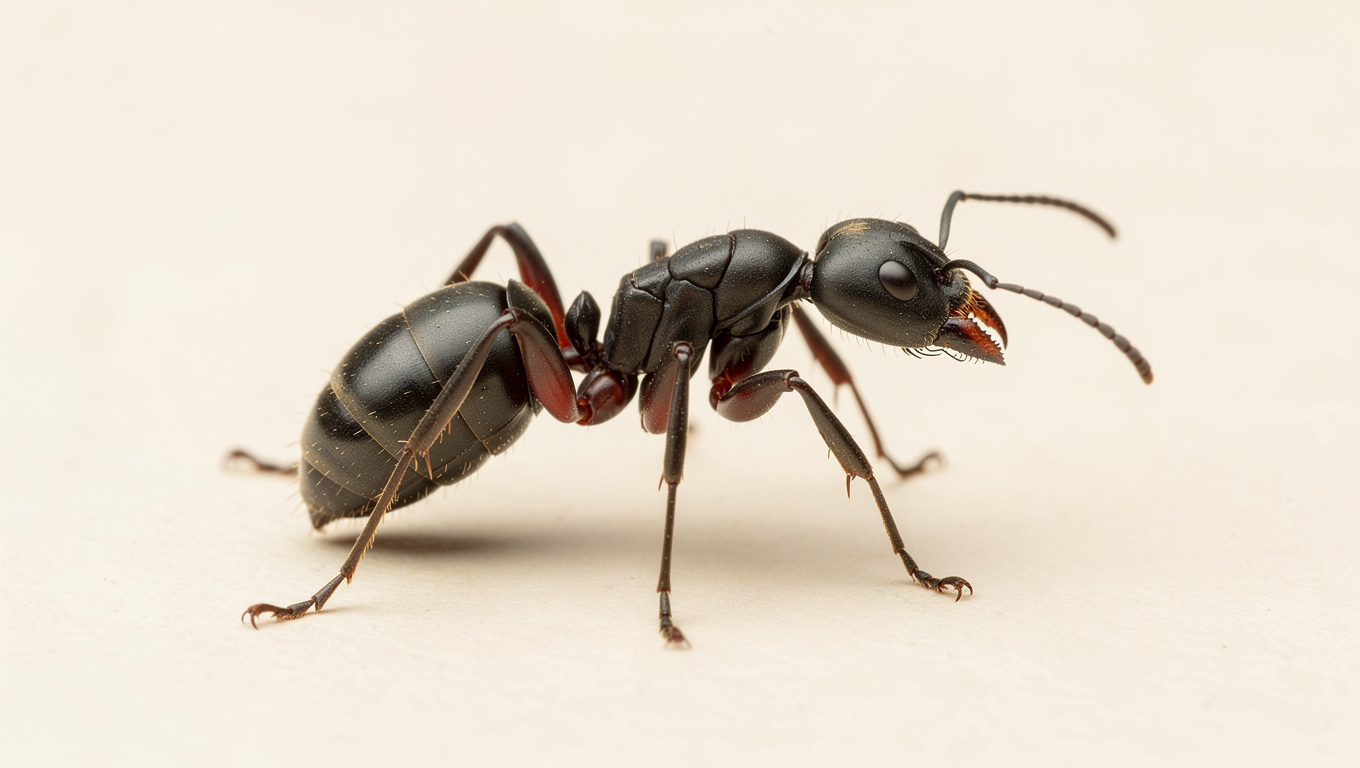
Carpenter Ant (Camponotus modoc) specimen photo — The Wild Pest field guide
High priority
Alias
Camponotus modoc

Carpenter Ant

BC's largest structural-pest ant — they don't eat wood, they hollow it out to build galleries inside damp framing.
6-step playbook
Read the file
Wanted — Dead or Gone
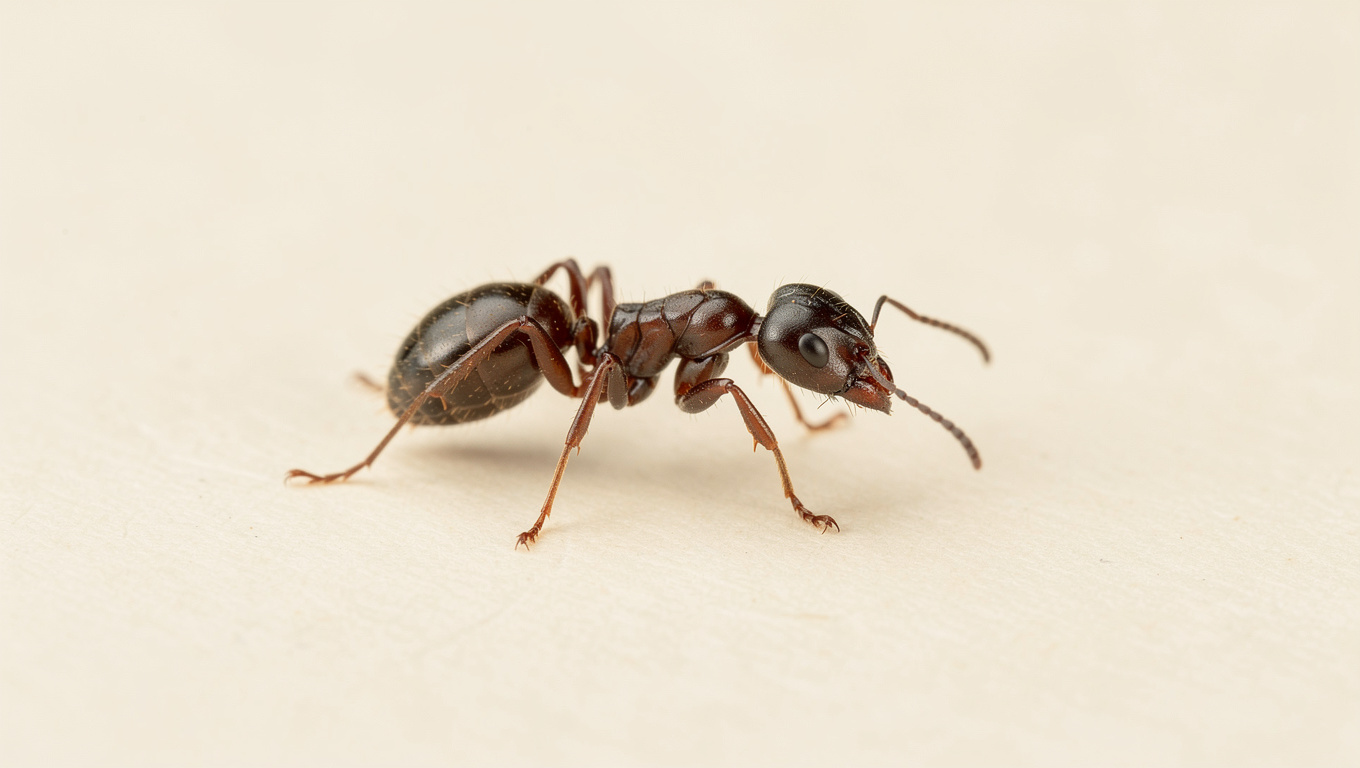
Pavement Ant (Tetramorium immigrans) specimen photo — The Wild Pest field guide
Medium
Alias
Tetramorium immigrans

Pavement Ant

The small brown ants along Metro Van driveways and patio cracks — nuisance foragers, not structural pests.
5-step playbook
Read the file
Wanted — Dead or Gone
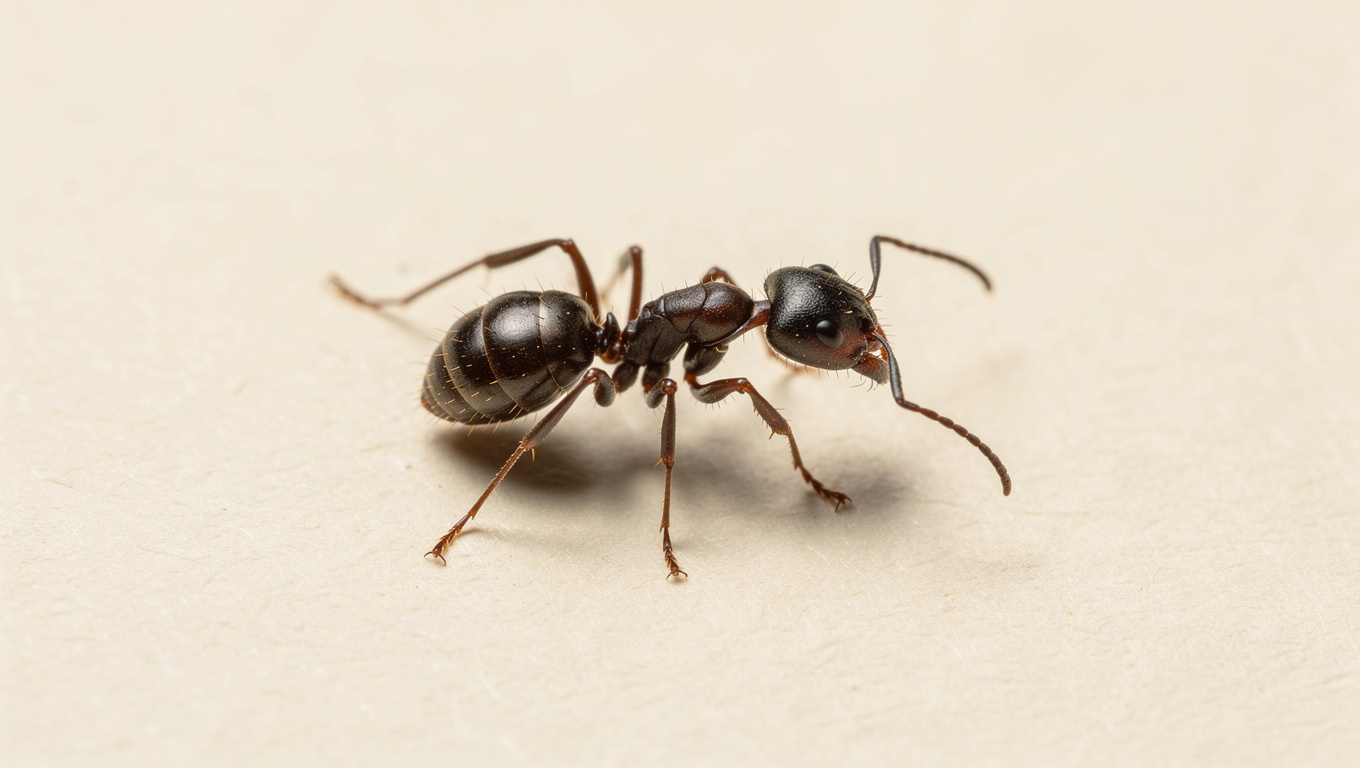
Odorous House Ant (Tapinoma sessile) specimen photo — The Wild Pest field guide
Medium
Alias
Tapinoma sessile

Odorous House Ant

The 'rotten-coconut' ant — crush one between your fingers and you'll know. Nests in wall voids and under pots.
5-step playbook
Read the file
Wanted — Dead or Gone
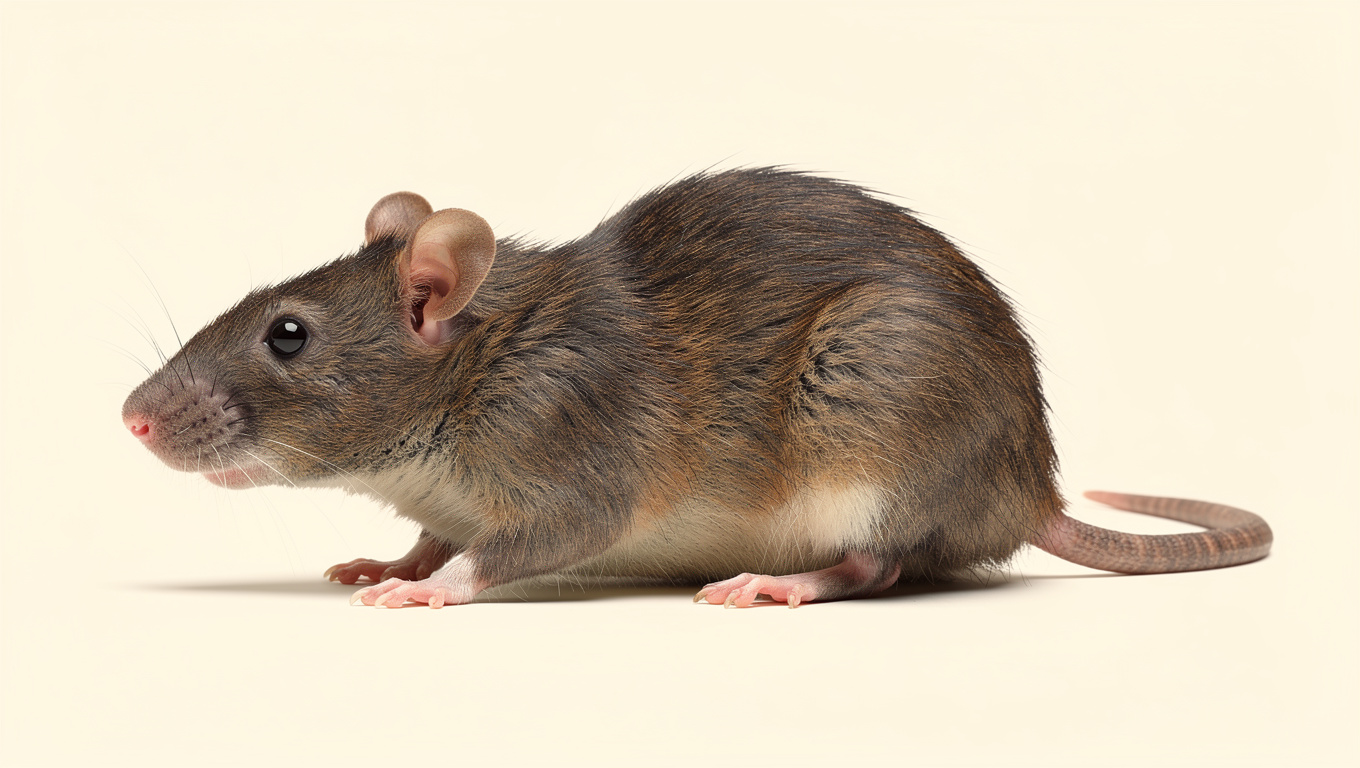
Norway Rat (Rattus norvegicus) specimen photo — The Wild Pest field guide
High priority
Alias
Rattus norvegicus

Norway Rat

Metro Vancouver's ground-and-basement rat — thicker, heavier, and more burrow-driven than its roof-rat cousin.
6-step playbook
Read the file
Wanted — Dead or Gone
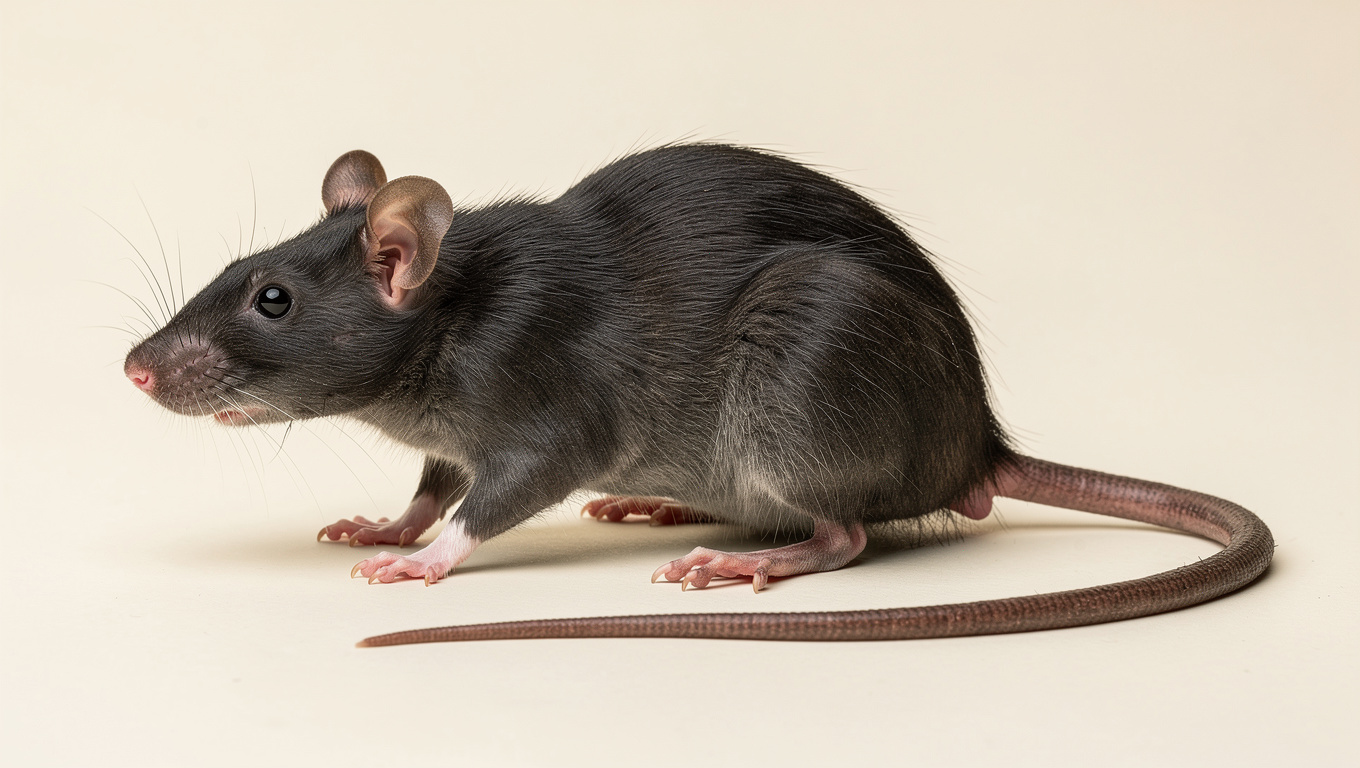
Roof Rat (Rattus rattus) specimen photo — The Wild Pest field guide
High priority
Alias
Rattus rattus

Roof Rat

The climbing rat — slimmer, pointier, and almost always above your head in soffits and attics.
5-step playbook
Read the file
Wanted — Dead or Gone
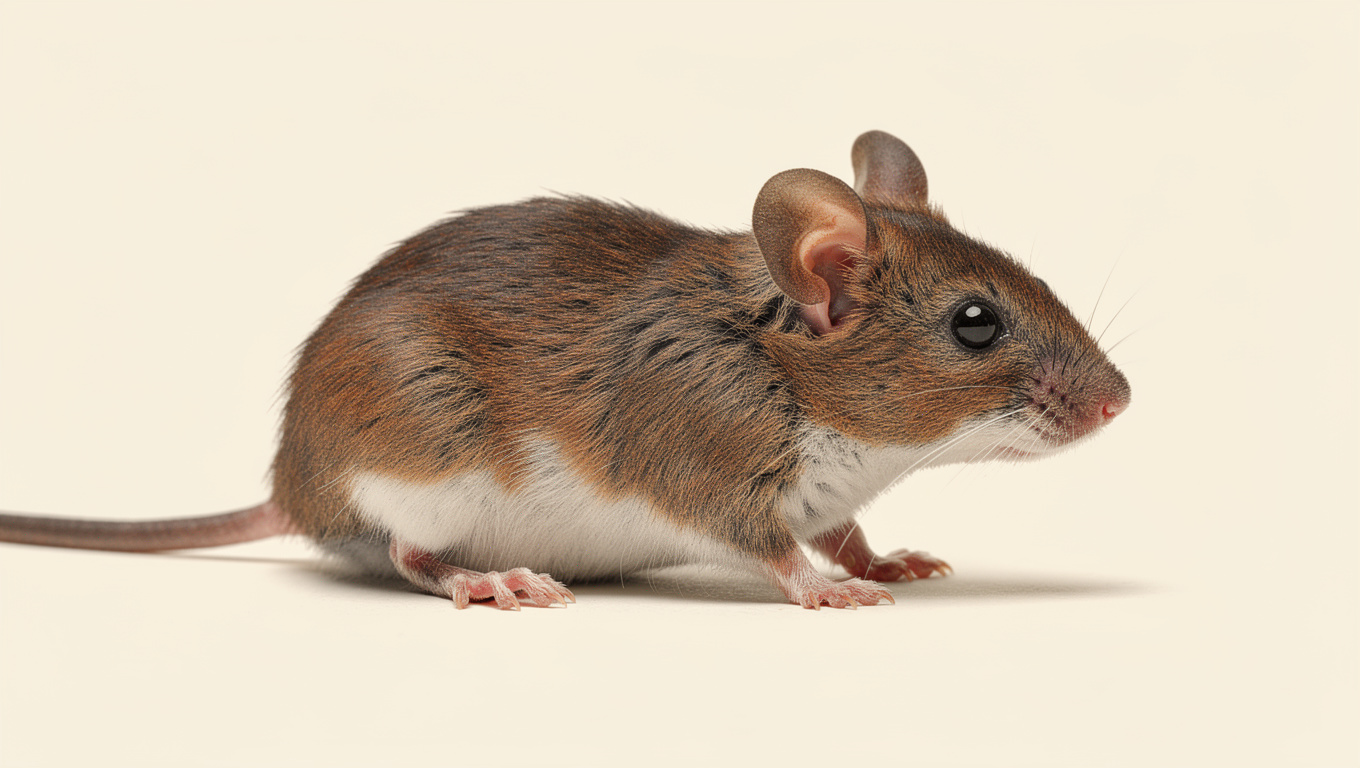
Deer Mouse (Peromyscus maniculatus) specimen photo — The Wild Pest field guide
Medium
Alias
Peromyscus maniculatus

Deer Mouse

The hantavirus-carrying native mouse — smaller, bicoloured, and a real public-health concern in rural and wildland-urban BC.
5-step playbook
Read the file
Wanted — Dead or Gone
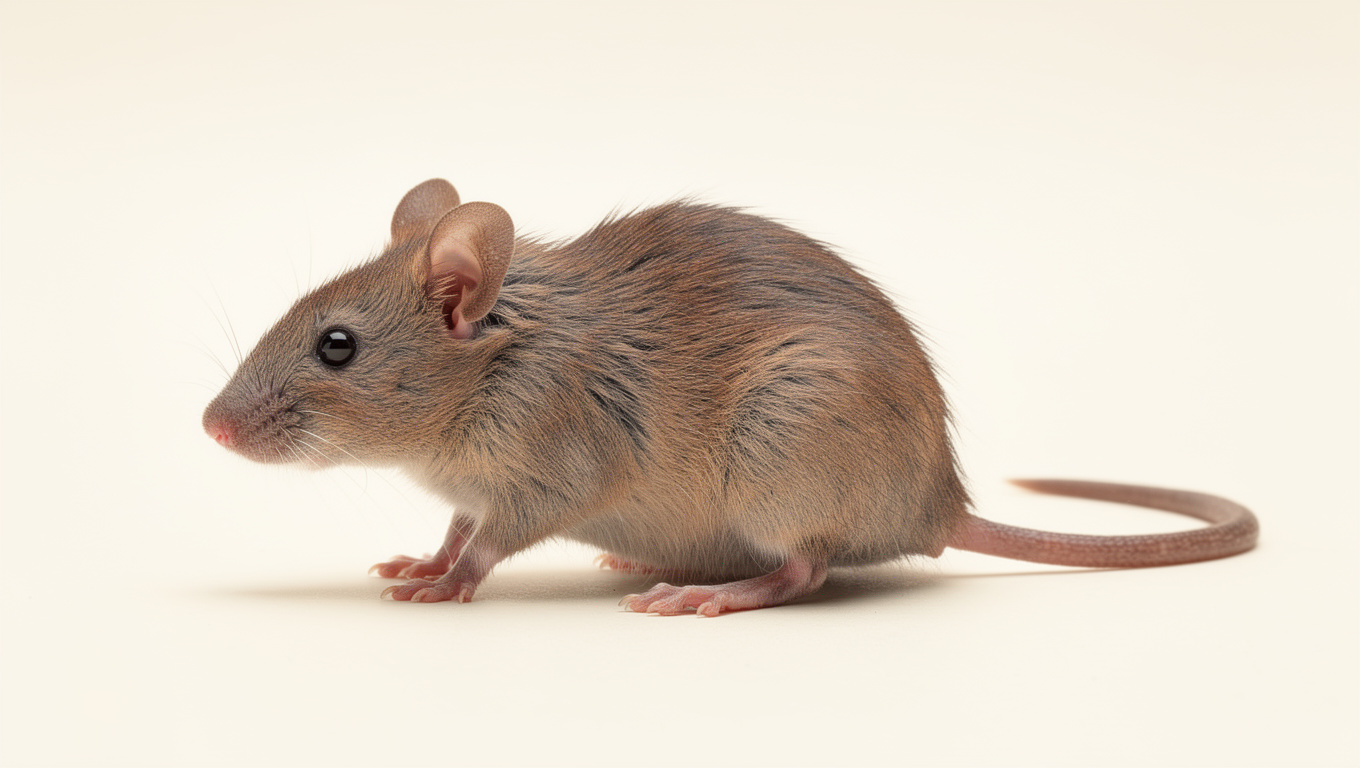
House Mouse (Mus musculus) specimen photo — The Wild Pest field guide
Medium
Alias
Mus musculus

House Mouse

The universal urban mouse — tiny, grey-brown, and the most common rodent in Metro Vancouver apartments, condos, and older homes.

5-step playbook
Read the file
Wanted — Dead or Gone
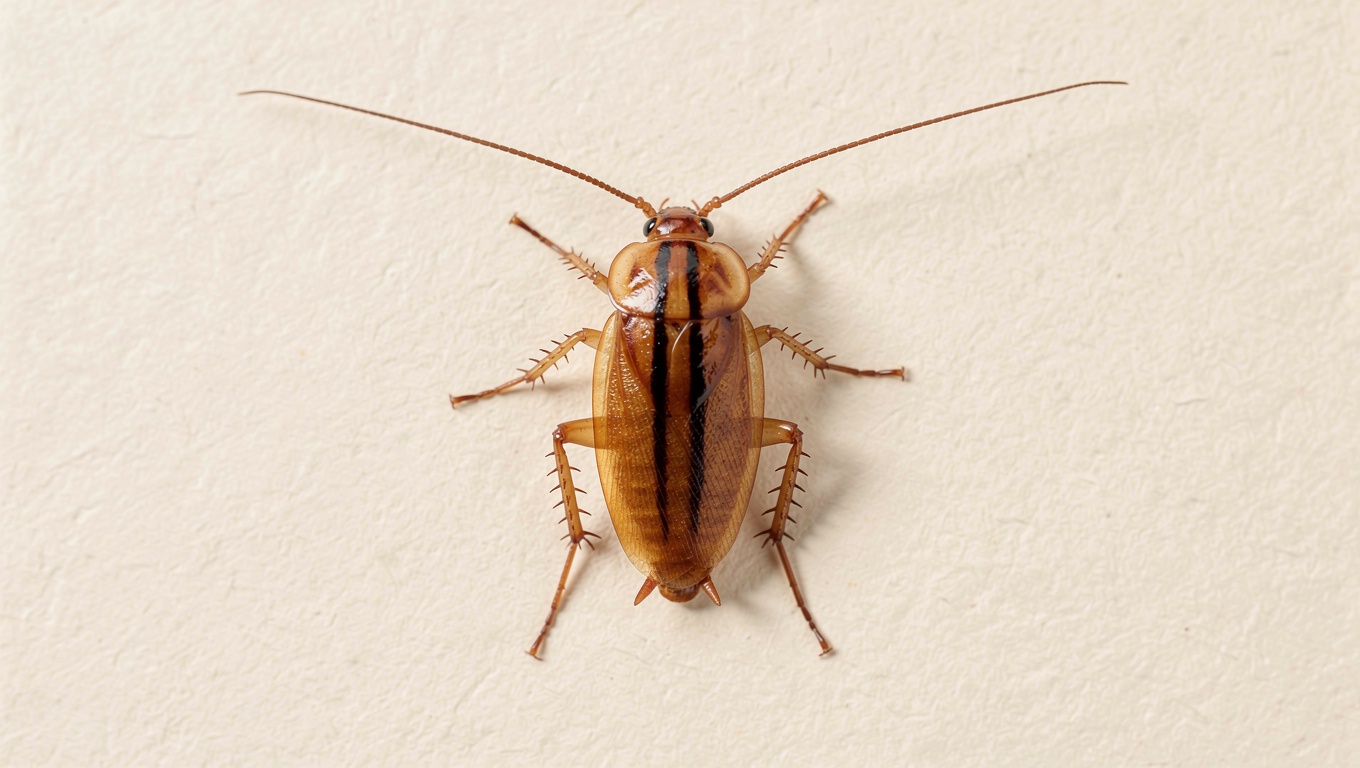
German Cockroach (Blattella germanica) specimen photo — The Wild Pest field guide
High priority
Alias
Blattella germanica

German Cockroach

The most common indoor cockroach in BC — small, fast, and capable of exploding from one hitchhiker into a full-building infestation.
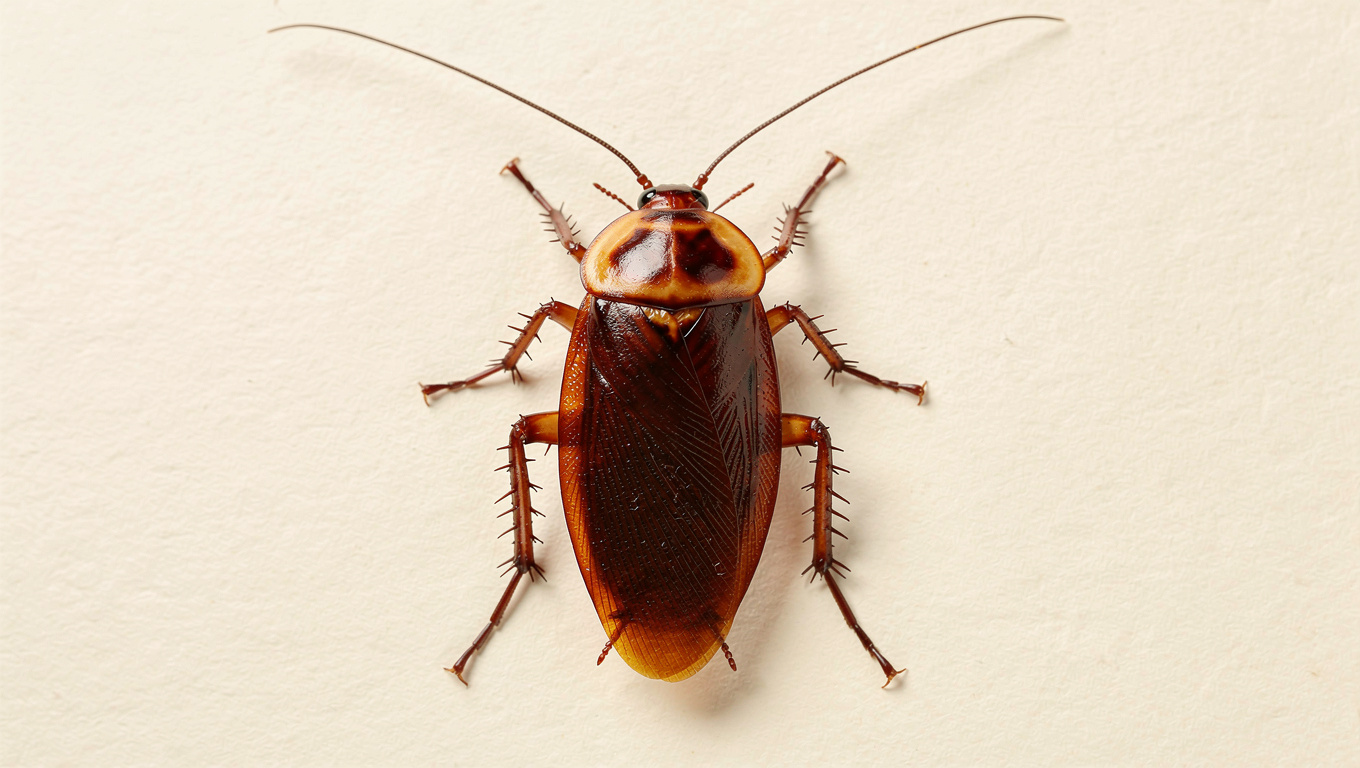
6-step playbook
Read the file
Wanted — Dead or Gone
American Cockroach (Periplaneta americana) specimen photo — The Wild Pest field guide
Medium
Alias
Periplaneta americana

American Cockroach

The large reddish-brown roach — less common in BC homes than the German roach, but intimidating when you see one in a basement or drain.
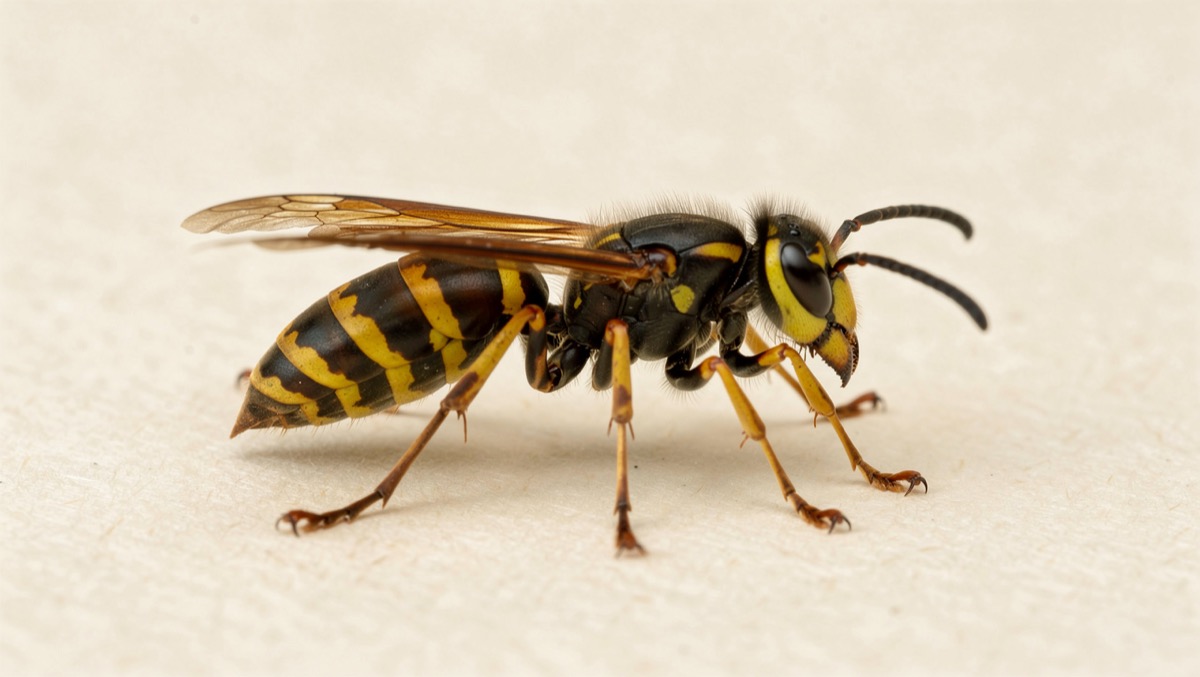
5-step playbook
Read the file
Wanted — Dead or Gone
Yellowjacket (Vespula alascensis) specimen photo — The Wild Pest field guide
Low threat
Alias
Vespula alascensis

Yellowjacket

BC's most aggressive social wasp — ground-nesting, protein-hungry, and responsible for almost every 'wasp attack' in Metro Van summers.
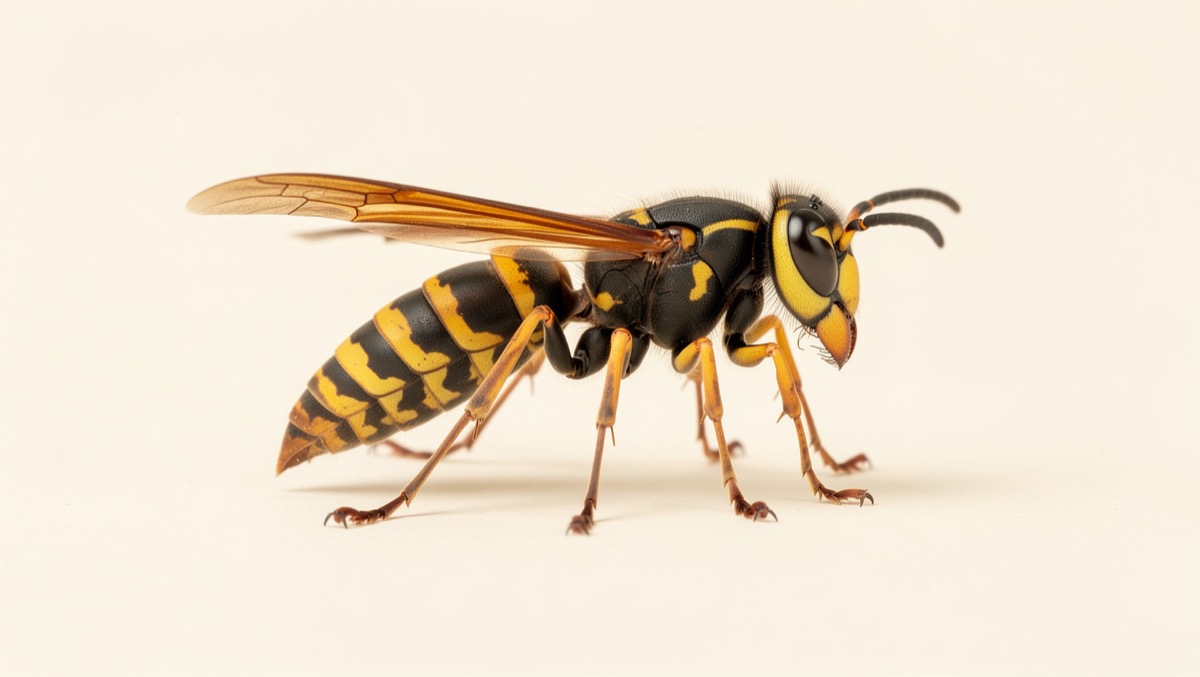
5-step playbook
Read the file
Wanted — Dead or Gone
Paper Wasp (Polistes dominula) specimen photo — The Wild Pest field guide
Medium
Alias
Polistes dominula

Paper Wasp

The umbrella-nest wasp under your eaves — less aggressive than yellowjackets but common and visible throughout summer.
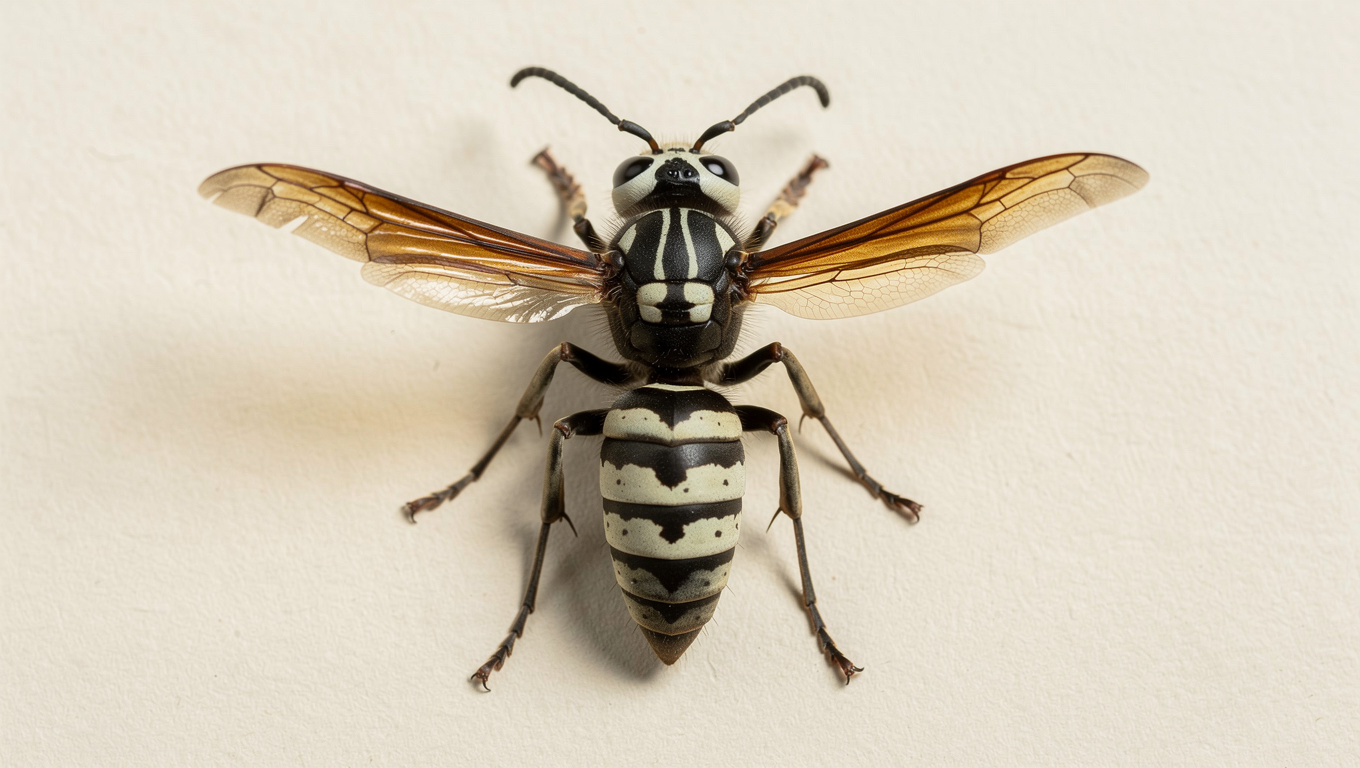
5-step playbook
Read the file
Wanted — Dead or Gone
Bald-Faced Hornet (Dolichovespula maculata) specimen photo — The Wild Pest field guide
Medium
Alias
Dolichovespula maculata

Bald-Faced Hornet

The football-sized grey paper nest in your tree — large, black-and-white, and the most intimidating hornet in BC.
5-step playbook
Read the file
Wanted — Dead or Gone
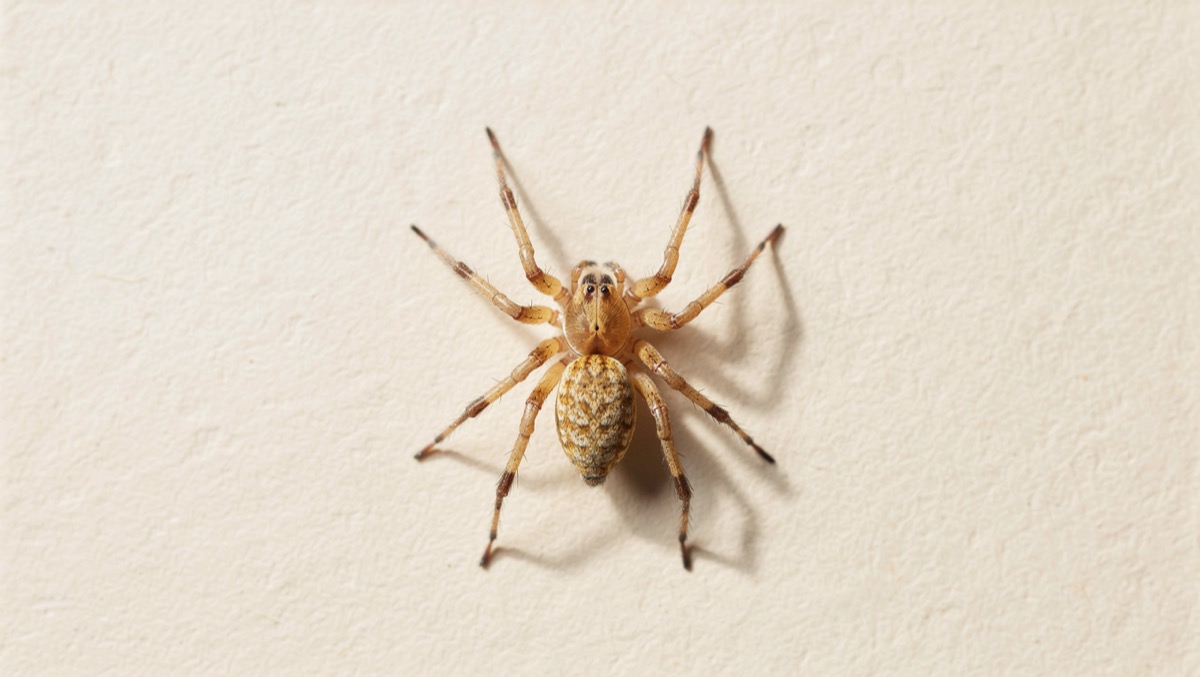
Common House Spider (Parasteatoda tepidariorum) specimen photo — The Wild Pest field guide
Low threat
Alias
Parasteatoda tepidariorum

Common House Spider

The tangled-web spider in every BC basement corner — harmless, beneficial, and occasionally startling.
5-step playbook
Read the file
Wanted — Dead or Gone
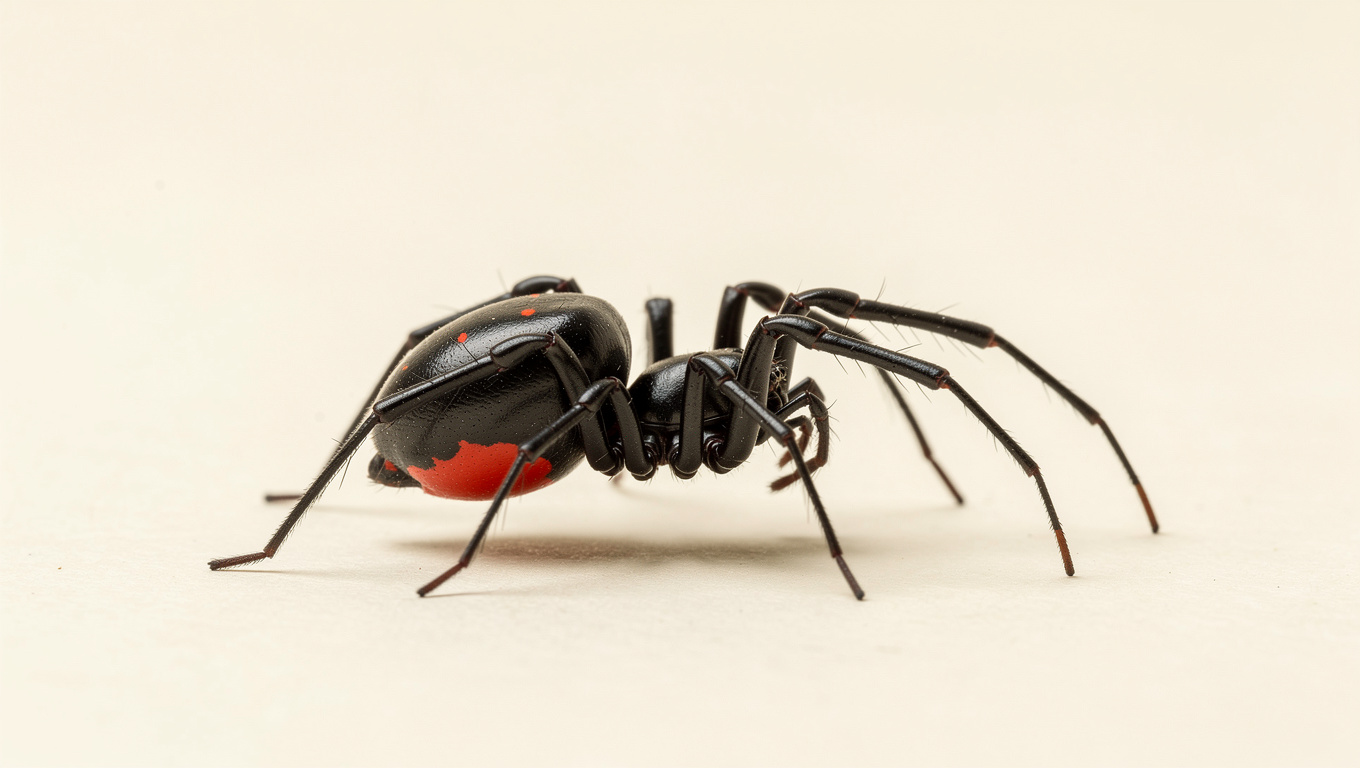
Western Black Widow (Latrodectus hesperus) specimen photo — The Wild Pest field guide
Medium
Alias
Latrodectus hesperus

Western Black Widow

BC's only medically significant spider — glossy black, red-hourglass marking, and present but uncommon in the southern Interior and parts of the Fraser Valley.
5-step playbook
Read the file
Wanted — Dead or Gone
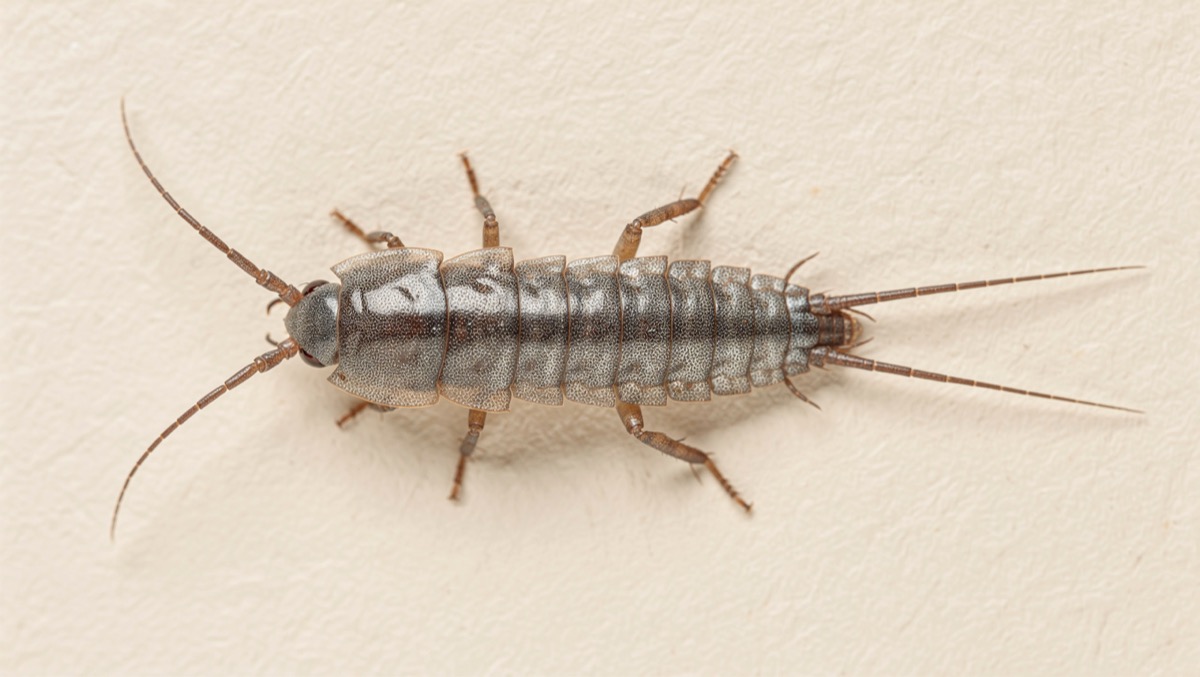
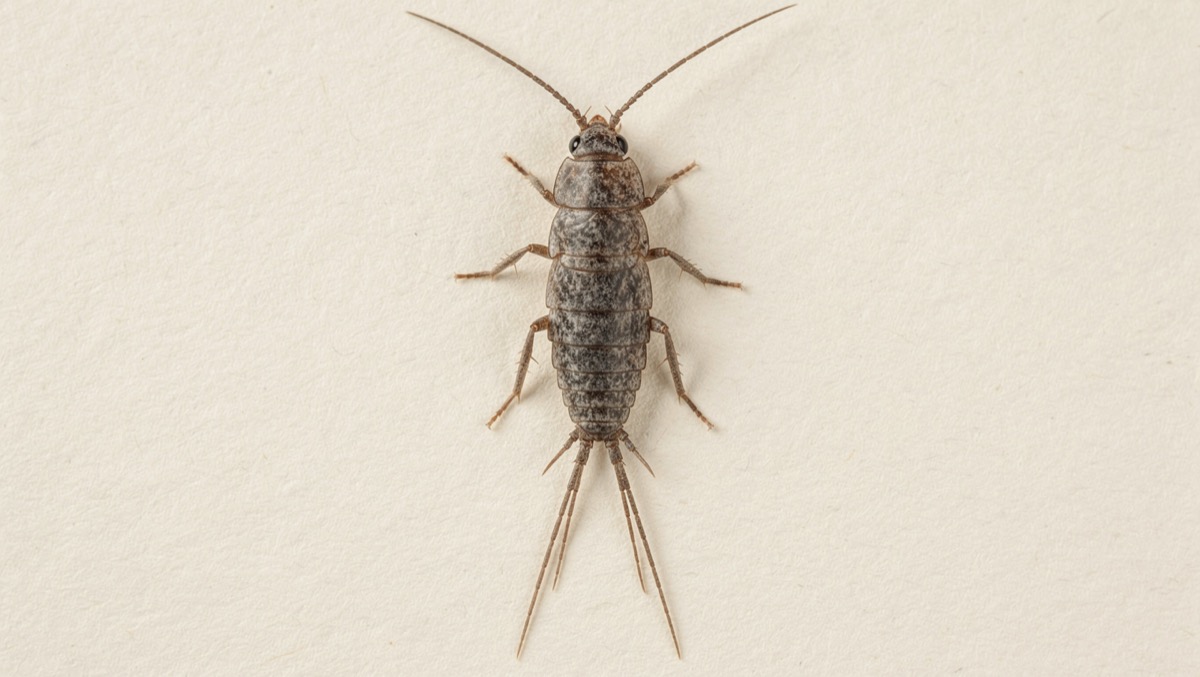
Silverfish (Lepisma saccharina) specimen photo — The Wild Pest field guide
Low threat
Alias
Lepisma saccharina

Silverfish

The silver-grey, wiggle-darting insect in your bathroom at 2am — moisture-loving, paper-eating, and nearly universal in older BC homes.
5-step playbook
Read the file
Wanted — Dead or Gone
Firebrat (Thermobia domestica) specimen photo — The Wild Pest field guide
Low threat
Alias
Thermobia domestica

Firebrat

The silverfish's heat-loving cousin — found near water heaters, boilers, and kitchen-range voids, often mistaken for ordinary silverfish.
5-step playbook
Read the file
Wanted — Dead or Gone
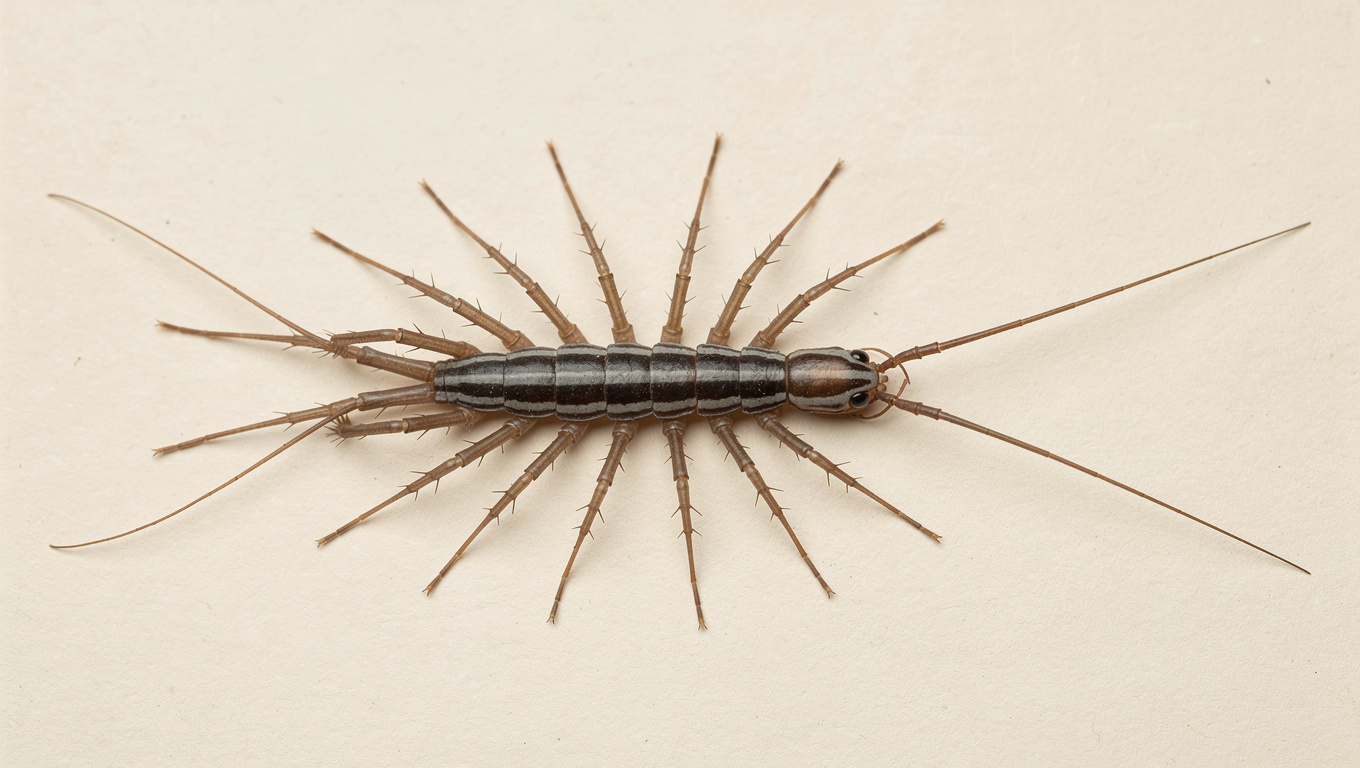
House Centipede (Scutigera coleoptrata) specimen photo — The Wild Pest field guide
Low threat
Alias
Scutigera coleoptrata

House Centipede

The fifteen-legged basement sprinter — unsettling to look at, genuinely beneficial, and one of the best free pest controllers in any BC home.
5-step playbook
Read the file
Wanted — Dead or Gone
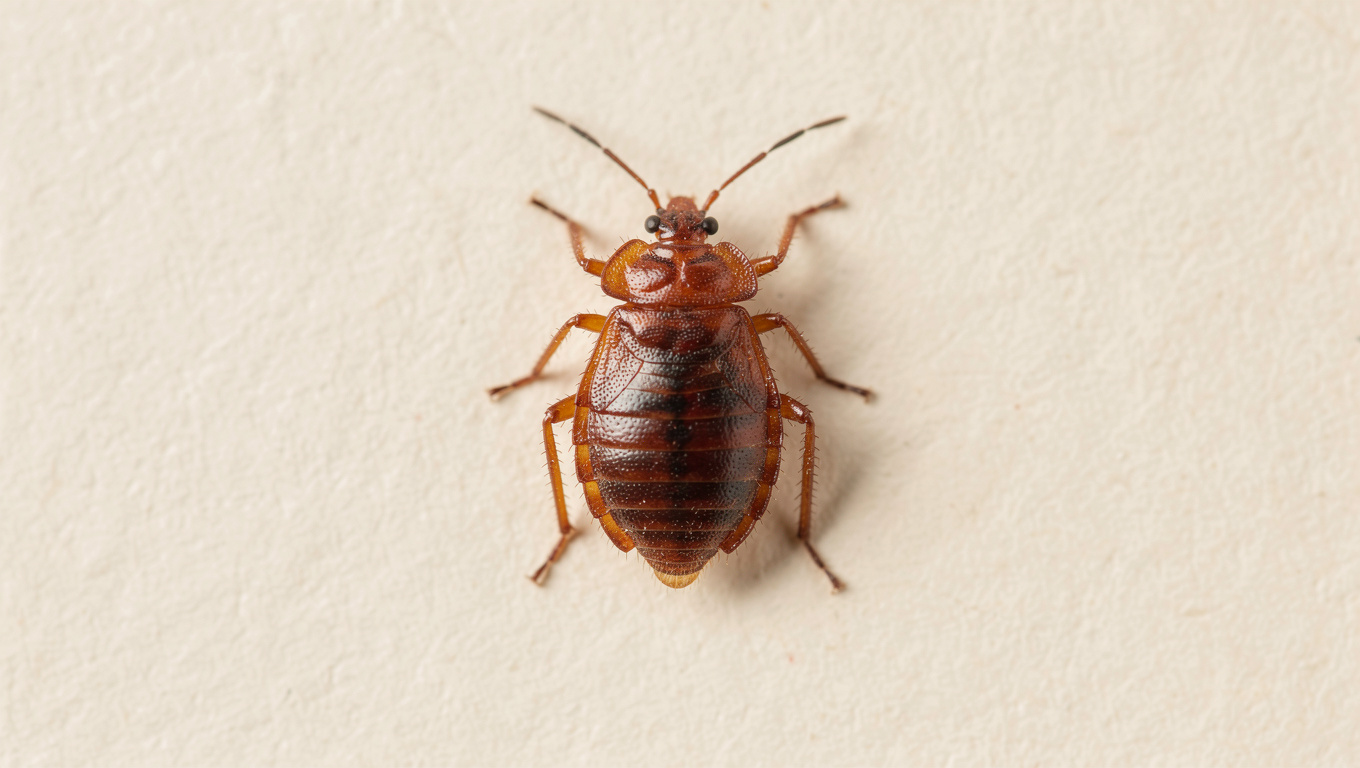
Bed Bug (Cimex lectularius) specimen photo — The Wild Pest field guide
High priority
Alias
Cimex lectularius

Bed Bug

The apple-seed-sized parasite hiding in mattress seams — the hardest common household pest to eradicate and the one where single-visit thermal treatment wins.
6-step playbook
Read the file
Wanted — Dead or Gone
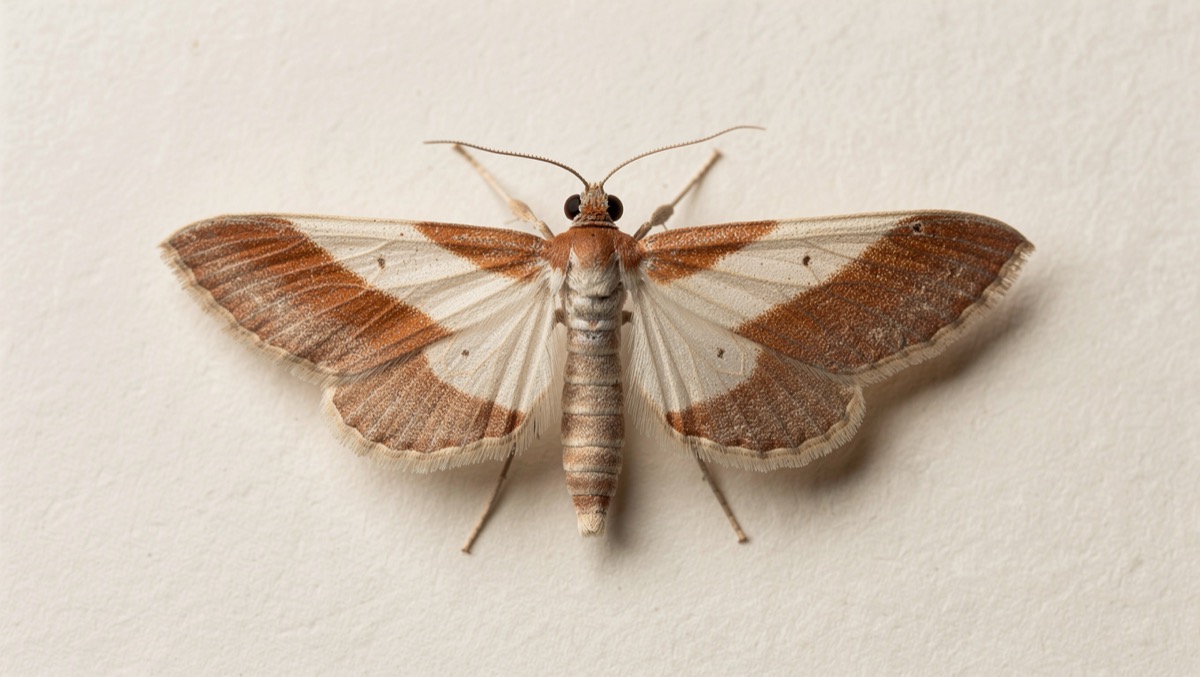
Indian Meal Moth (Plodia interpunctella) specimen photo — The Wild Pest field guide
Medium
Alias
Plodia interpunctella

Indian Meal Moth

The small pantry moth with webbing in your flour and cereal — the most common stored-product pest in BC kitchens.
5-step playbook
Read the file
Wanted — Dead or Gone
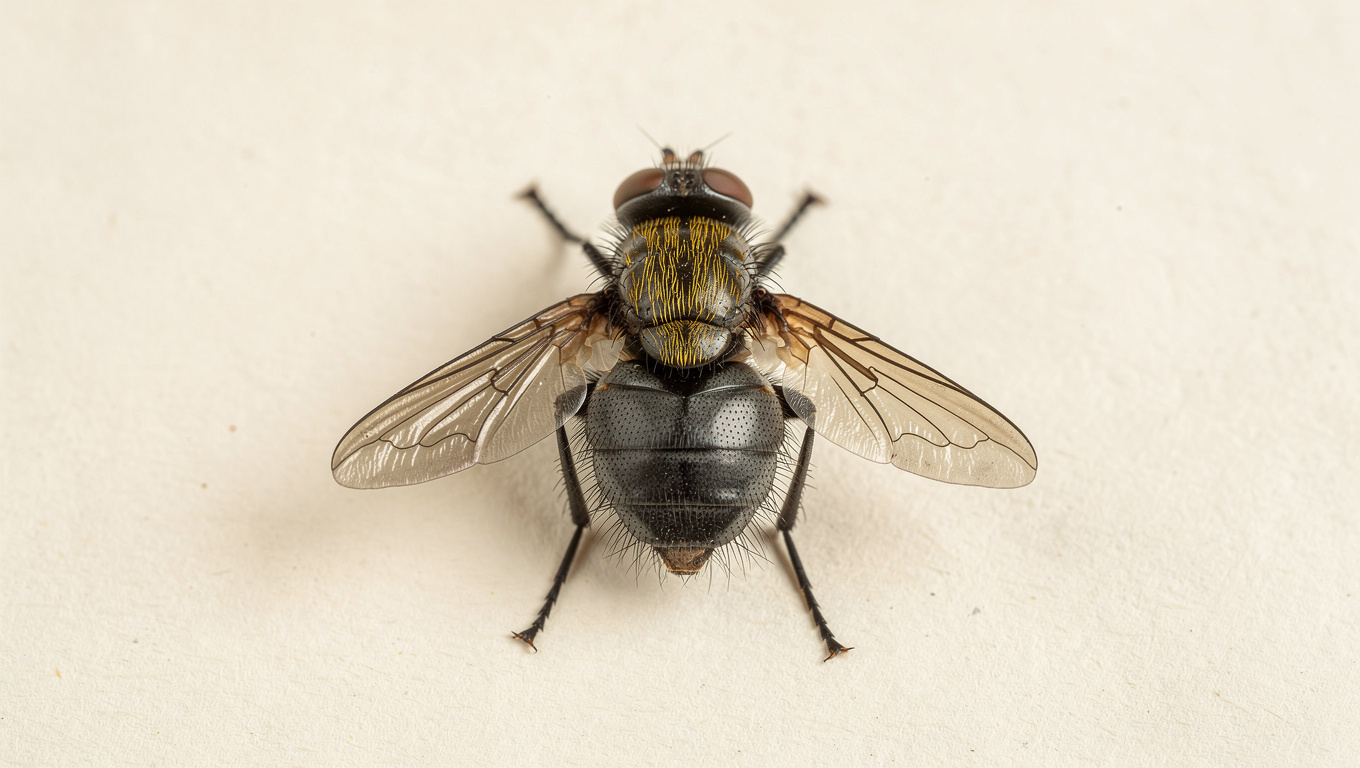
Cluster Fly (Pollenia rudis) specimen photo — The Wild Pest field guide
Low threat
Alias
Pollenia rudis

Cluster Fly

The sluggish grey fly that appears in sunny window frames on warm winter days — harmless, beneficial outdoors, frustrating indoors.
5-step playbook
Read the file
Wanted — Dead or Gone
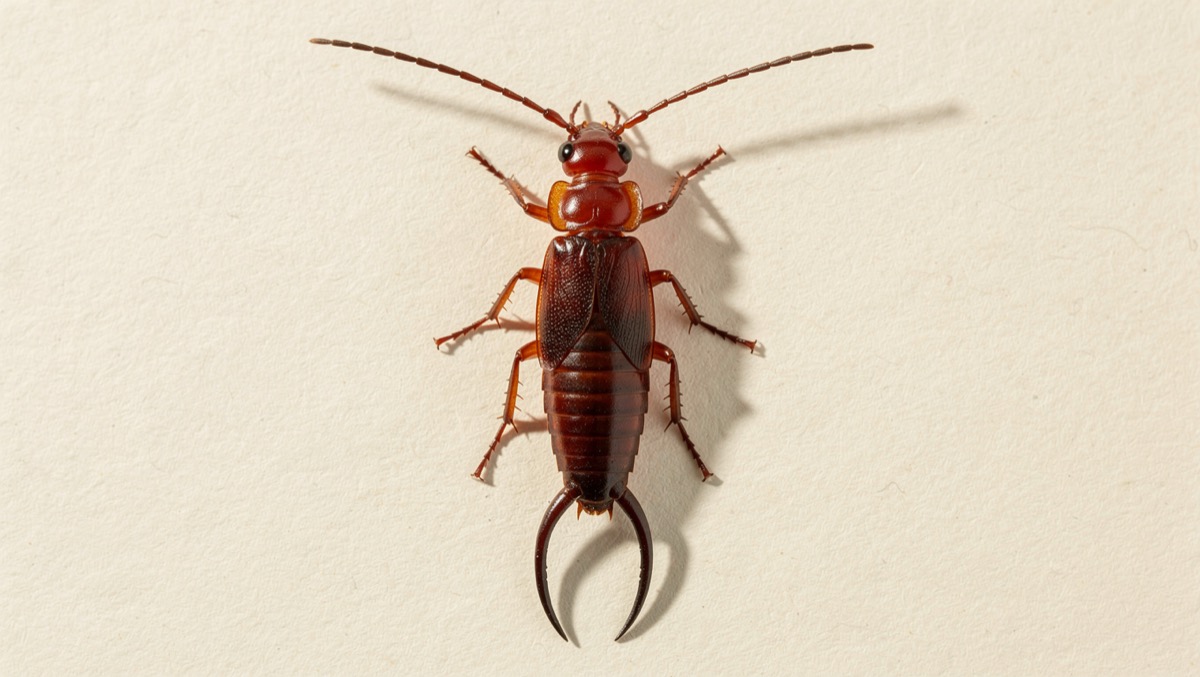
European Earwig (Forficula auricularia) specimen photo — The Wild Pest field guide
Low threat
Alias
Forficula auricularia

European Earwig

The pincer-tailed invader of BC garden beds and bathroom drains — not dangerous to people, but reliably alarming at 2am.
5-step playbook
Read the file
Wanted — Dead or Gone
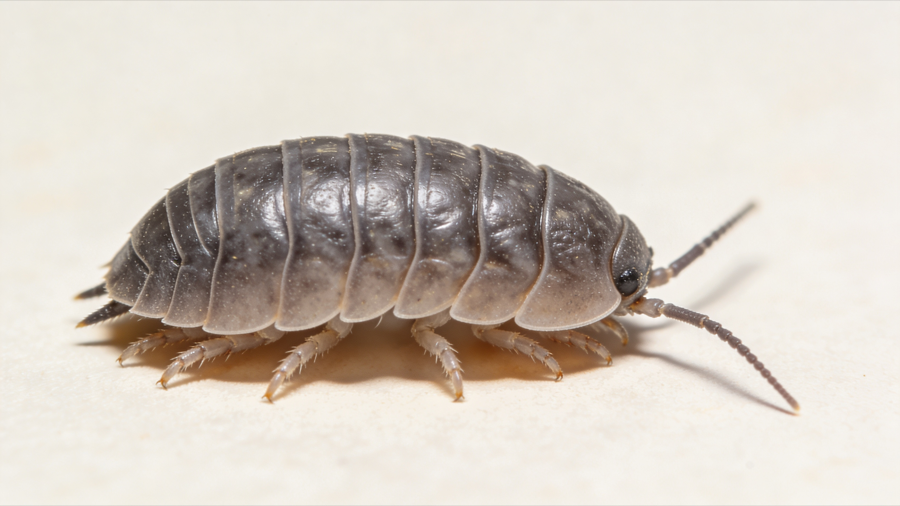
Sowbug & Pillbug (Oniscus asellus / Armadillidium vulgare) specimen photo — The Wild Pest field guide
Low threat
Alias
Oniscus asellus / Armadillidium vulgare

Sowbug & Pillbug

BC's only terrestrial crustaceans — not insects, not harmful, but a reliable indicator of moisture problems where they appear indoors.
5-step playbook
Read the file
Wanted — Dead or Gone
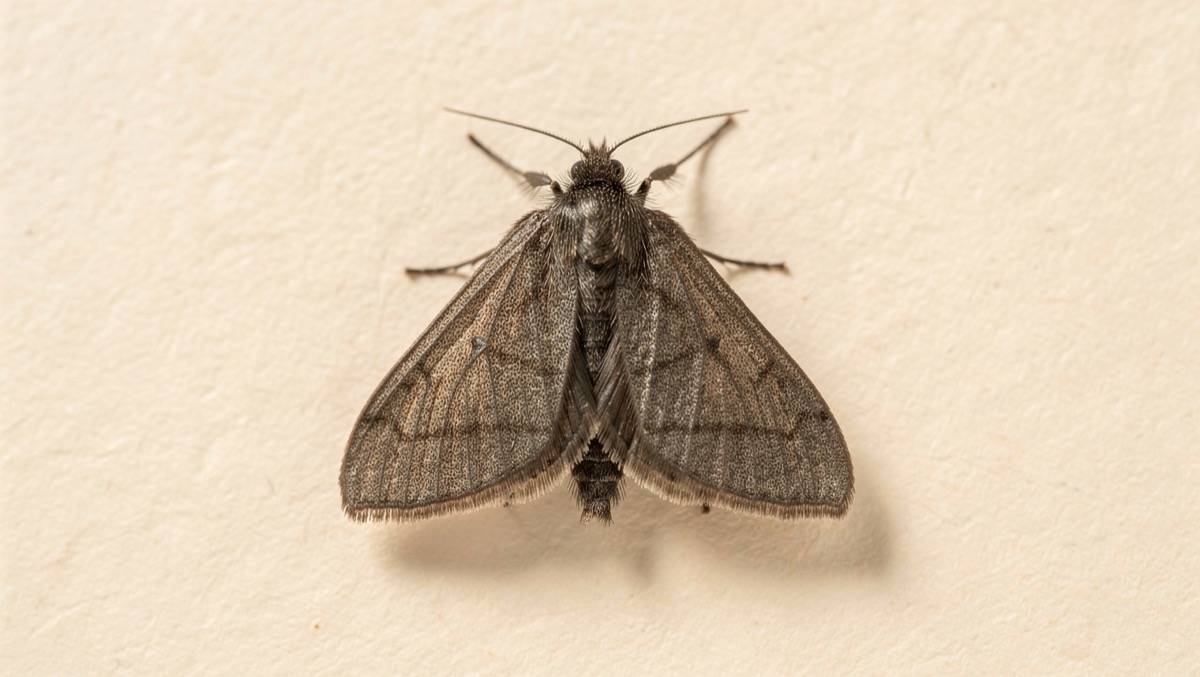
Drain Fly (Moth Fly) (Psychoda alternata) specimen photo — The Wild Pest field guide
Low threat
Alias
Psychoda alternata

Drain Fly (Moth Fly)

The tiny furry flies hovering around BC bathroom drains — harmless to health, reliably embarrassing in restaurants and Airbnbs.
6-step playbook
Read the file
Wanted — Dead or Gone
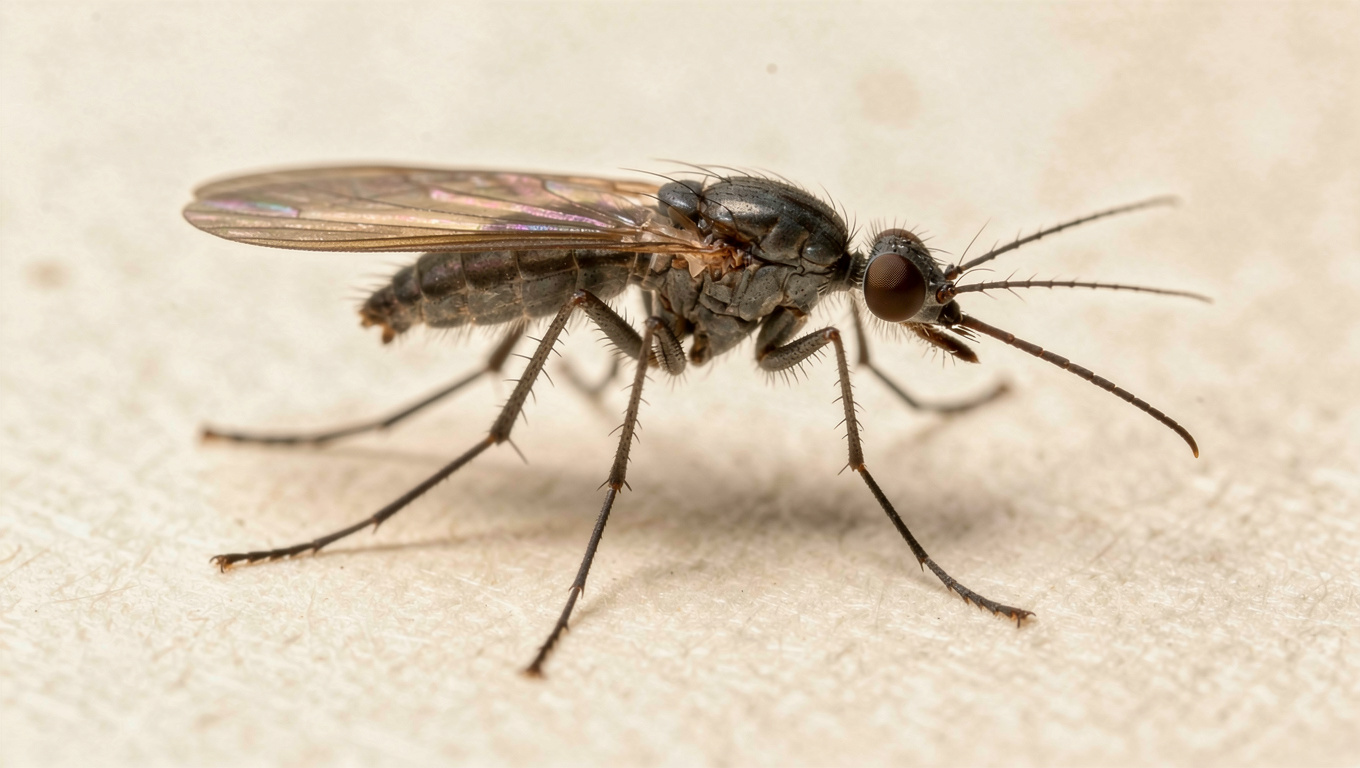
Fungus Gnat (Bradysia coprophila) specimen photo — The Wild Pest field guide
Low threat
Alias
Bradysia coprophila

Fungus Gnat

The tiny flying nuisance around houseplant soil — harmless to people, deadly to seedlings, and a constant companion for BC indoor gardeners.
6-step playbook
Read the file
Wanted — Dead or Gone
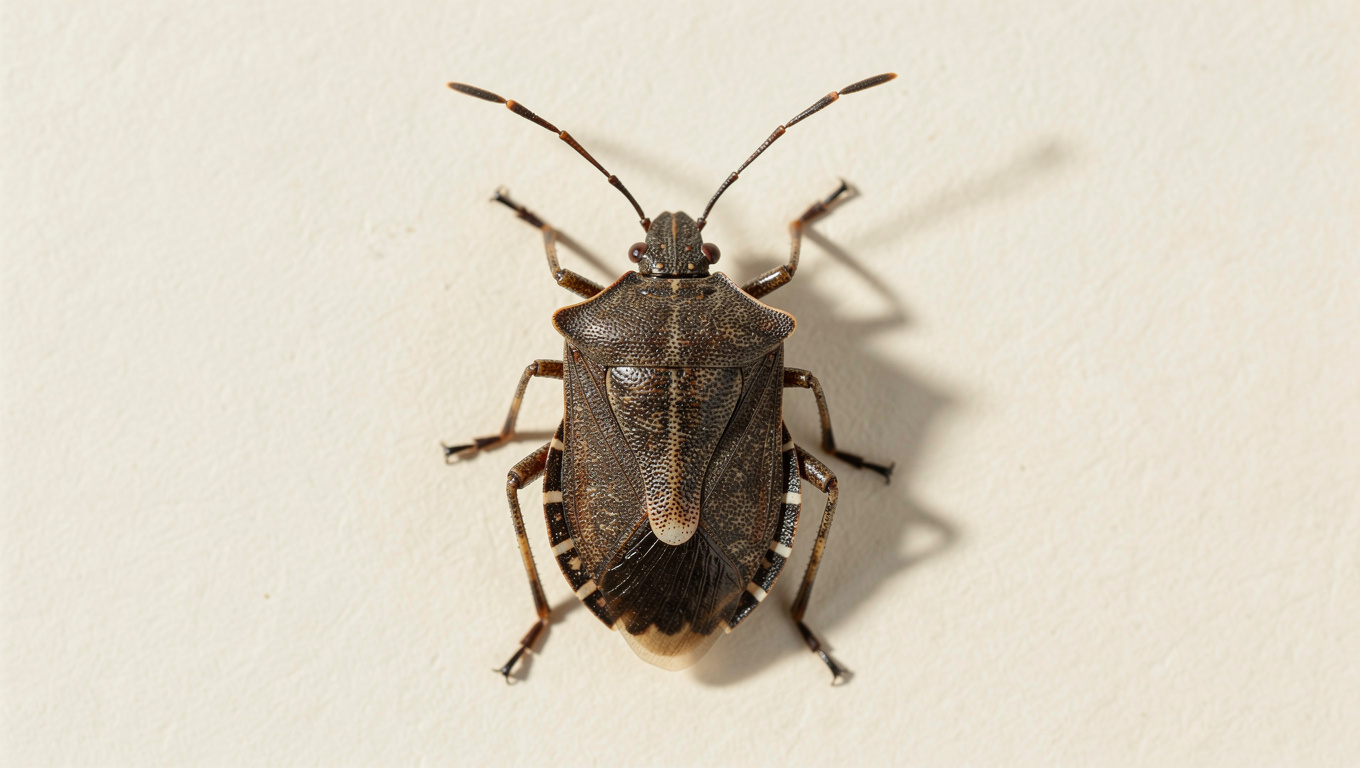
Brown Marmorated Stink Bug (Halyomorpha halys) specimen photo — The Wild Pest field guide
Low threat
Alias
Halyomorpha halys

Brown Marmorated Stink Bug

The shield-shaped invasive that overwinters in BC attics by the hundreds — harmless individually, unforgettable in aggregate.
6-step playbook
Read the file
Wanted — Dead or Gone
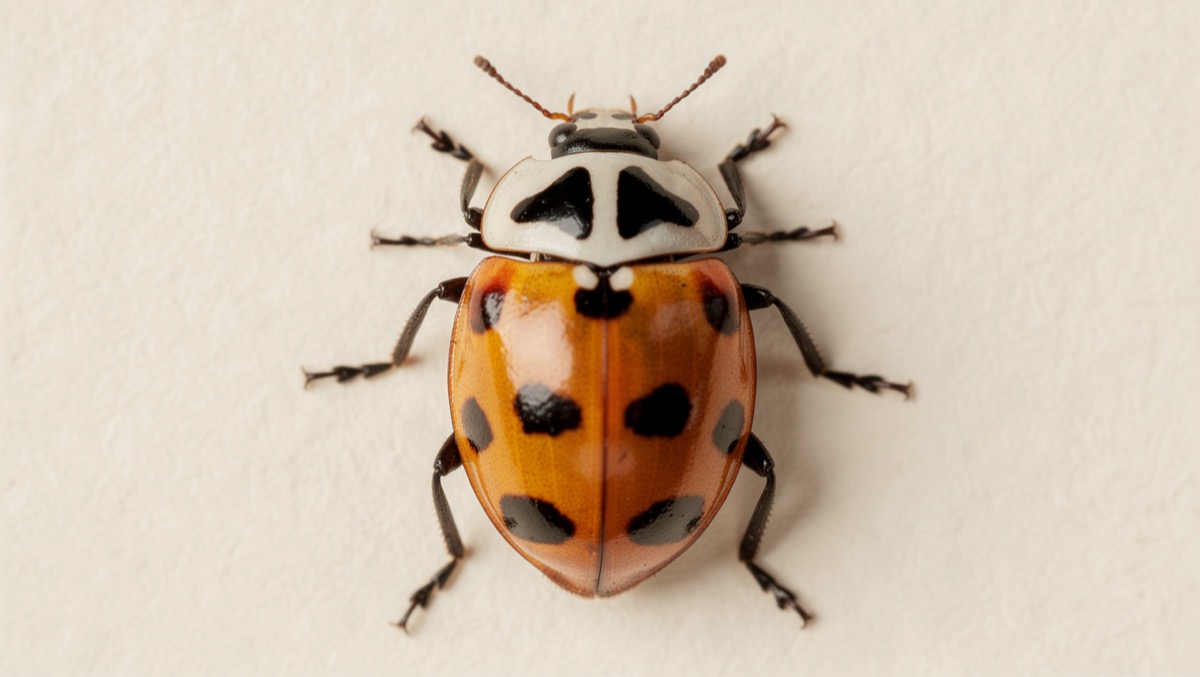
Asian Lady Beetle (Harmonia axyridis) specimen photo — The Wild Pest field guide
Low threat
Alias
Harmonia axyridis

Asian Lady Beetle

The ladybug lookalike that overwinters indoors by the hundreds — harmless individually, a staining stinking cloud in October.
5-step playbook
Read the file
Wanted — Dead or Gone
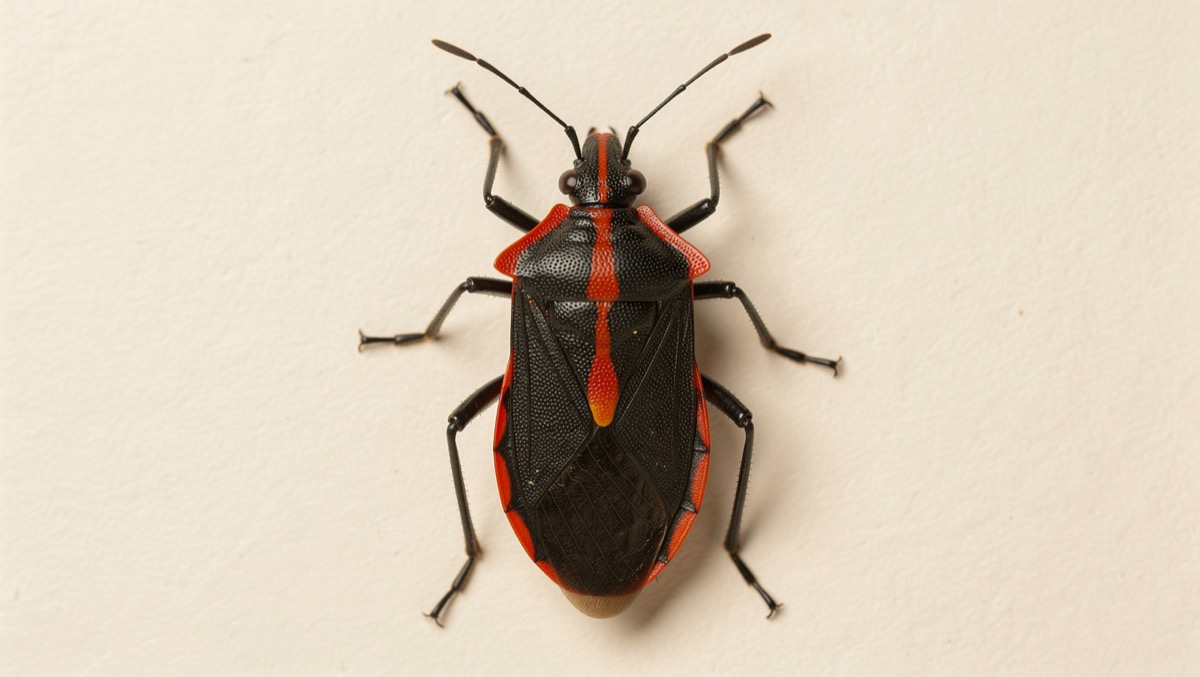
Boxelder Bug (Boisea trivittata) specimen photo — The Wild Pest field guide
Low threat
Alias
Boisea trivittata

Boxelder Bug

The black-and-red-striped fall invader — climbs sunny walls in October, moves indoors for winter, stains what it lands on.
5-step playbook
Read the file
Wanted — Dead or Gone
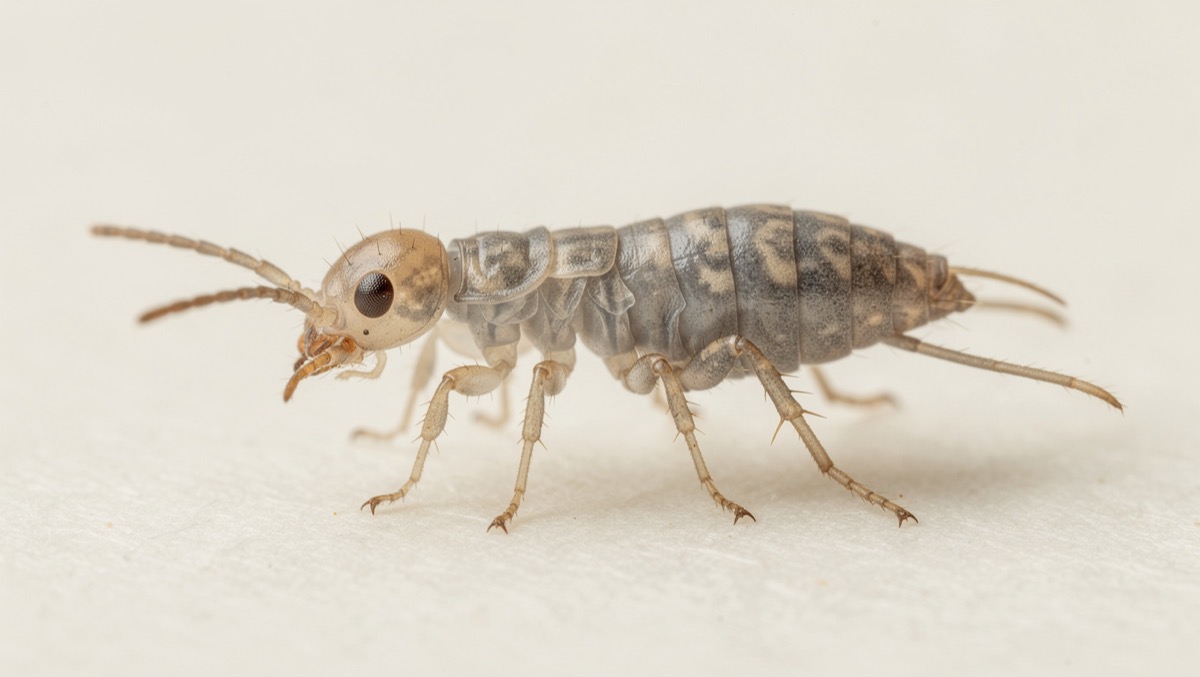
Springtail (Entomobryidae family) specimen photo — The Wild Pest field guide
Low threat
Alias
Entomobryidae family

Springtail

The tiny moisture-loving jumpers in your potted plants and basement — not insects, not harmful, just a humidity signal.
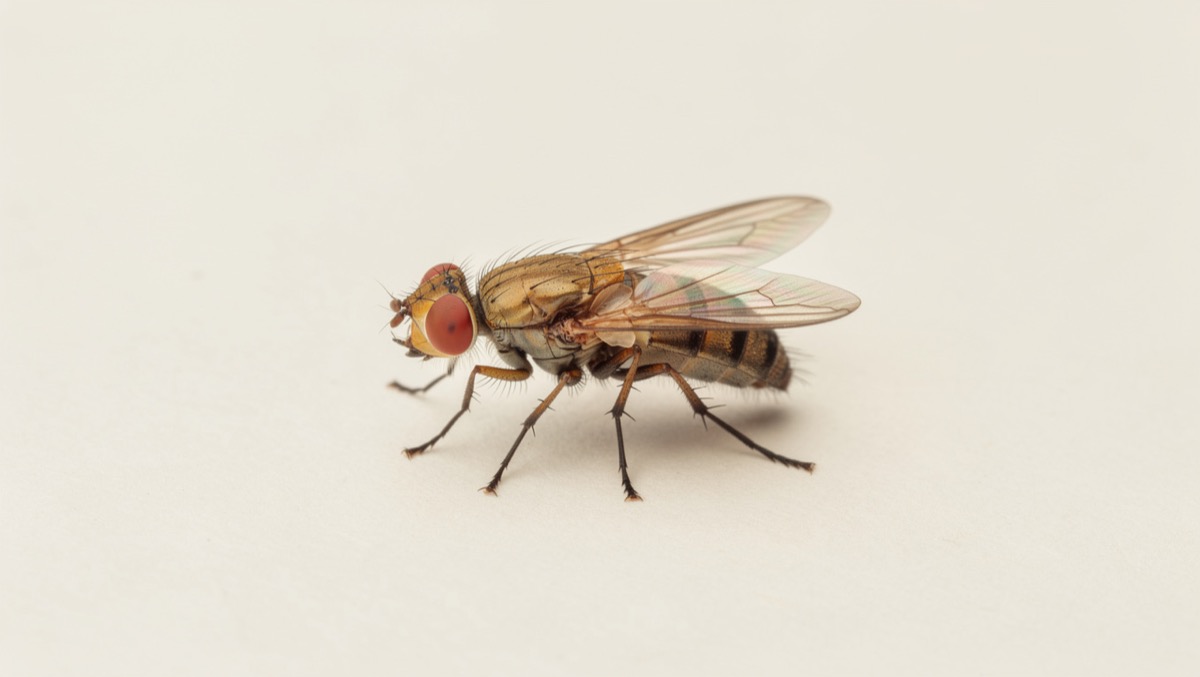
5-step playbook
Read the file
Wanted — Dead or Gone
Fruit Fly (Drosophila melanogaster) specimen photo — The Wild Pest field guide
Low threat
Alias
Drosophila melanogaster

Fruit Fly

The classic kitchen nuisance — fast-breeding, attracted to fermenting fruit, and almost entirely a sanitation issue.
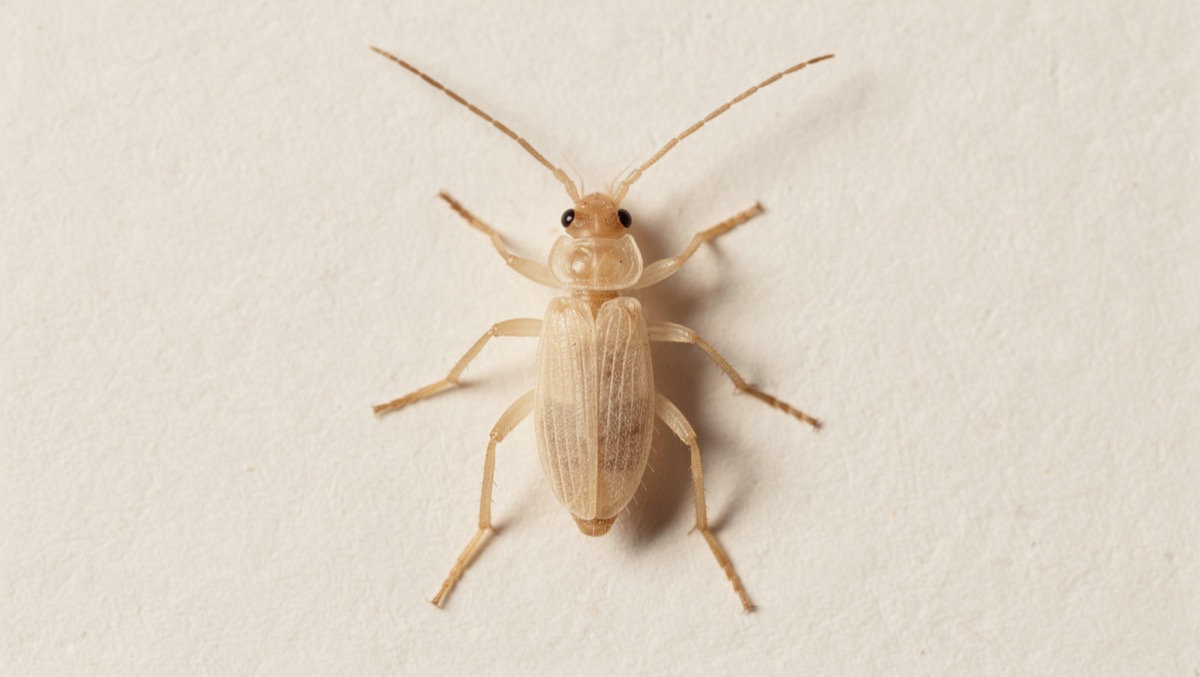
5-step playbook
Read the file
Wanted — Dead or Gone
Booklice (Psocid) (Liposcelis bostrychophila) specimen photo — The Wild Pest field guide
Low threat
Alias
Liposcelis bostrychophila

Booklice (Psocid)

The tiny pale crawlers in books, cereal boxes, and new drywall — not lice, not damaging, just a humidity indicator.
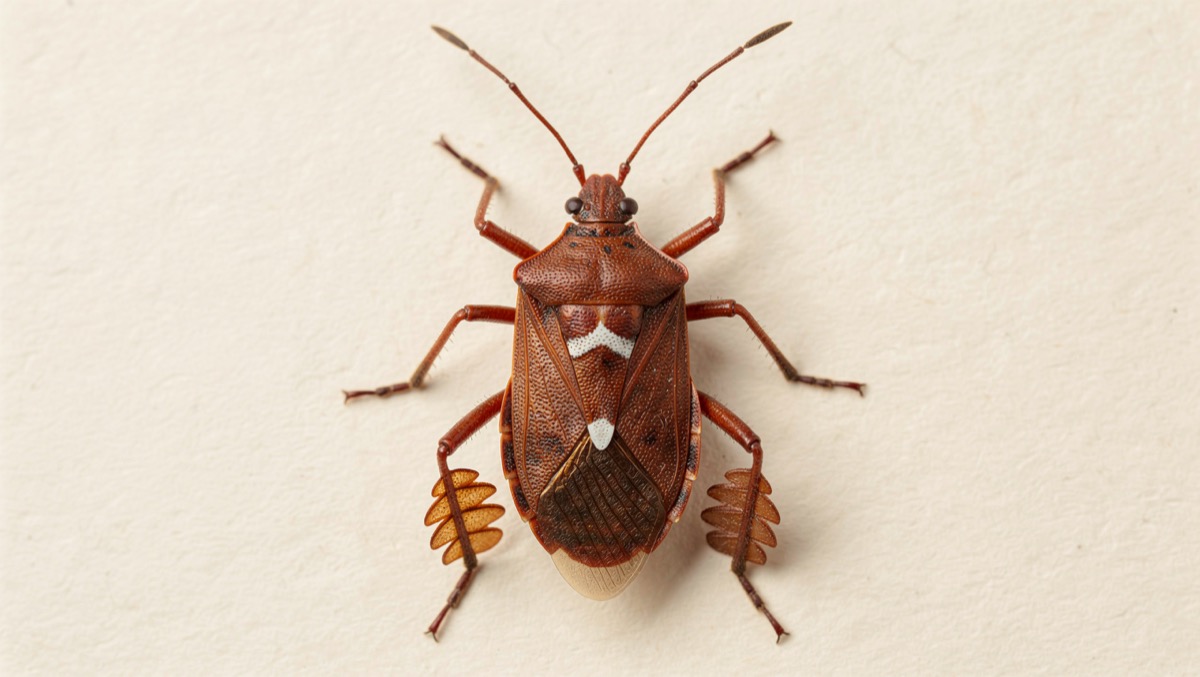
5-step playbook
Read the file
Wanted — Dead or Gone
Western Conifer Seed Bug (Leptoglossus occidentalis) specimen photo — The Wild Pest field guide
Low threat
Alias
Leptoglossus occidentalis

Western Conifer Seed Bug

The big leaf-legged fall invader that looks alarming but is completely harmless — common on BC conifer-adjacent homes.

5-step playbook
Read the file
Don’t see your suspect?

Drop in a photo. The sheriff identifies the rest.

Every month we add new species to the gallery based on what Metro Vancouver homeowners send us. If you caught something we haven’t filed yet, upload a photo to our AI identifier.

Use the pest identifier