
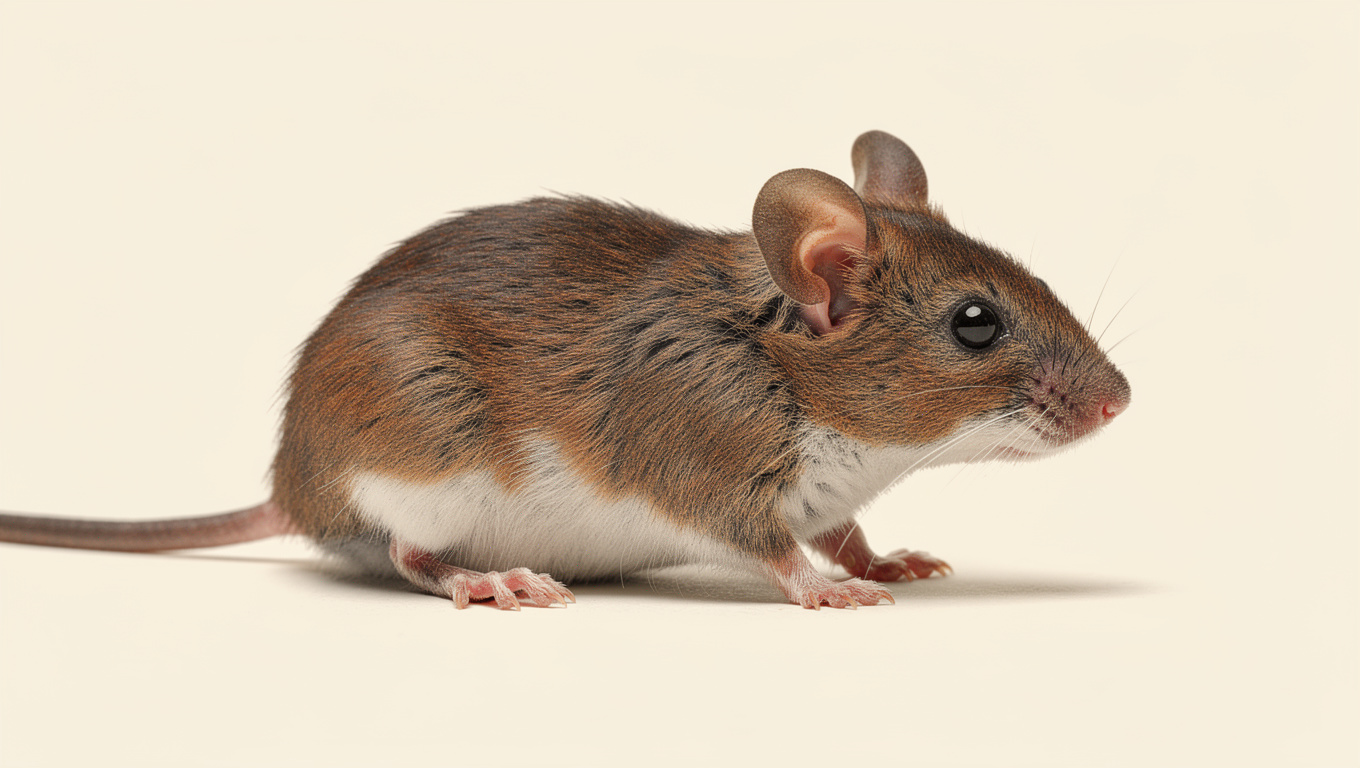
Why deer mouse activity is specific to Dunbar
Dunbar sees genuinely different mouse activity than the West End. The neighbourhood's proximity to Pacific Spirit Regional Park and the University Endowment Lands means deer mice (Peromyscus maniculatus), not house mice, are often the primary species in garages, detached sheds, and unheated crawlspaces. Deer mice are a hantavirus reservoir species — Sin Nombre virus carried in urine, droppings, and nesting material — so sanitisation after deer mouse evidence requires careful protocol. House mice occur too, but in heated living spaces rather than outbuildings. Our Dunbar mouse work includes species identification at the outset because treatment and sanitisation protocols differ meaningfully.
Local signs in Dunbar
- Small mouse droppings with pointed ends in garage corners.
- Nesting material (shredded paper, fabric) in stored boxes.
- Droppings in unused outbuildings or sheds.
- Tracks in dust in infrequently used spaces.
- Rodent-sized holes in fascia of detached garages.
Seasonality in Dunbar
Dunbar deer mouse activity peaks October–March as outdoor populations retreat from weather.
What to do right now
If you've seen mouse droppings in a Dunbar garage, shed, or detached outbuilding, book a species-ID inspection before sanitisation — deer mouse evidence requires hantavirus-precaution sanitisation protocol.
Book Deer Mouse service in Dunbar
Same-day pest control across Dunbar, 7 days a week 7am–9pm. We give you a realistic appointment window on the booking call rather than a best-case promise. Dunbar Street village and 16th Avenue corridor typically earlier in the same-day window; deep-west Dunbar toward Camosun and Pacific Spirit Park later in the day during peak demand. Every treatment is documented with photos, a 60-day pest guarantee, and 3-year exclusion warranty.