
The situation
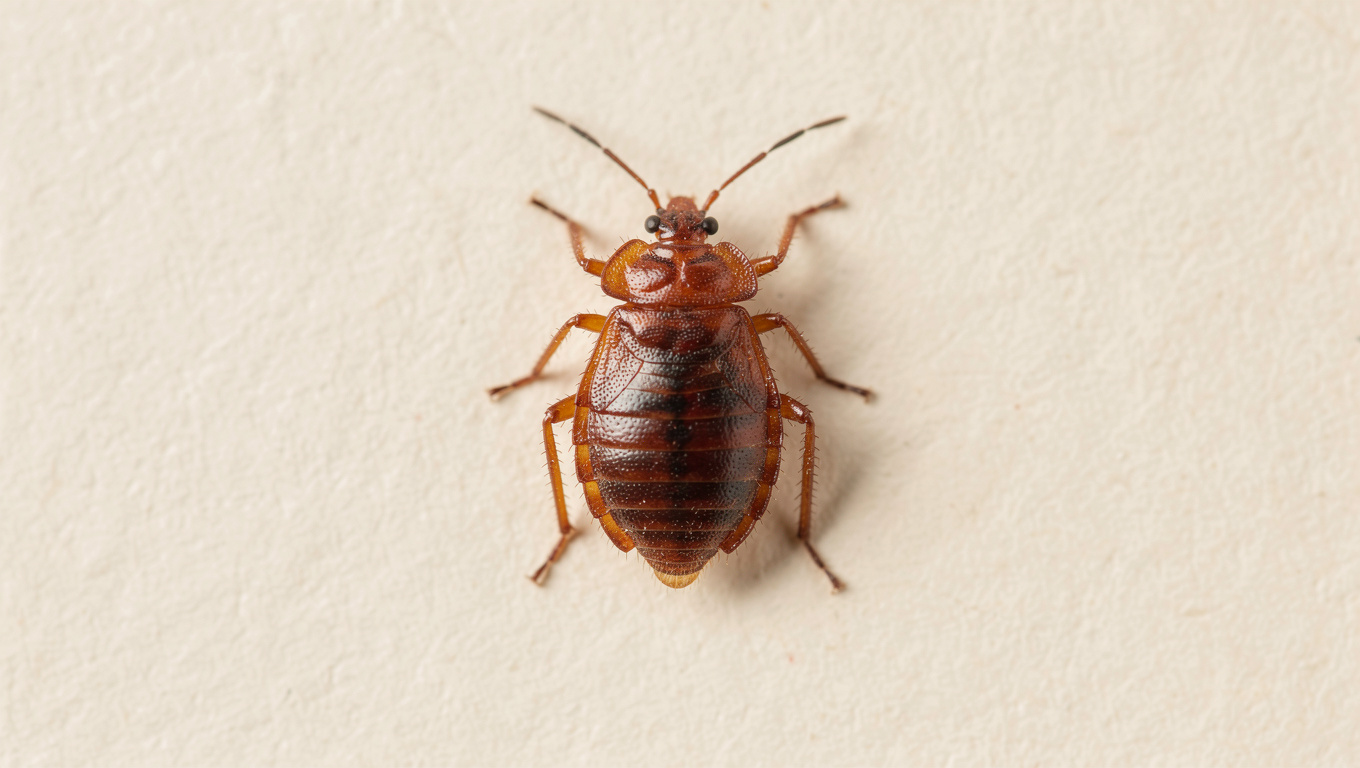
Homeowner returned from international travel and discovered bed bugs in the primary bedroom within 7 days. Heritage home with 1920s interiors including original hemlock flooring, lath-and-plaster walls, period millwork, and museum-grade art collection throughout. Chemical treatment was categorically refused — residues would compromise art valuation, risk interior finishes, and violate curatorial standards for the private collection. The homeowner had previously consulted two major national chains, both of whom recommended chemical protocols. Called us on referral from their art-conservation consultant.
The assessment
Full property survey with art-conservation consultant present. Bed bug activity confirmed in primary bedroom, adjacent dressing room, and (critically) a guest suite the travellers had also used. Sticky monitor placement overnight confirmed no dispersal beyond these three zones. Recommendation: staged thermal treatment in three sessions (zone-by-zone rather than whole-house), with comprehensive art-and-archival-paper protection protocols adapted from museum pest-management standards. Thermal is the only protocol that fully eradicates bed bugs with zero chemical residue — the right fit for the property.
The intervention
Three staged treatment sessions over five days. Pre-treatment preparation: art conservation team packed and relocated sensitive art, archival documents, and temperature-sensitive items to offsite climate-controlled storage. Our team installed supplemental shielding for fixed millwork and period wallpaper. Thermal protocol: each zone heated to sustained 55°C for 6 hours with grid-based temperature monitoring ensuring every wall void, floor crevice, and furniture joint reached kill threshold. Special attention to heritage-appropriate airflow management to prevent finish-damaging humidity spikes. Between-zone rest period of 24 hours for building cool-down and finish stabilisation monitoring. Final post-treatment monitor deployment throughout house for 30-day verification.
The outcome
Zero bed bug detections at 30-day, 60-day, 90-day, and 180-day follow-up inspections. Zero damage to heritage finishes, original millwork, or period hemlock flooring. Art conservation team confirmed zero chemical residue on returned artworks. Homeowner subsequently retained us for annual preventive inspection. The total cost was higher than chemical protocols, but the outcome — eradication without residue — was the only acceptable one for the property.
Why chemical wasn't an option here
Chemical bed bug protocols leave residual pyrethroid or neonicotinoid films on surfaces intended to kill bed bugs over 4-week exposure windows. Those residues are incompatible with museum-grade art conservation standards, risk accelerating oxidation on century-old finishes, and — critically — require multiple visits over a 4-8 week window during which the household cannot safely inhabit treated zones. Thermal achieves the same end state (zero live bed bugs) with zero residue in a 5-day total window. For heritage and luxury properties, it is the only protocol consistent with property values and standards.
Customer outcome“Two major chains told me it had to be chemical. My art conservator said absolutely not. The Wild Pest understood exactly what the property needed and adapted their protocol. My home is bed bug free, my 100-year-old floors are untouched, and my art came back from storage perfect. This is what professional service looks like.”
Book your own assessment
Every job gets the same documentation standard — photos, findings, protocol, outcomes. 60-day pest guarantee plus 3-year exclusion warranty on every treatment.