
The situation
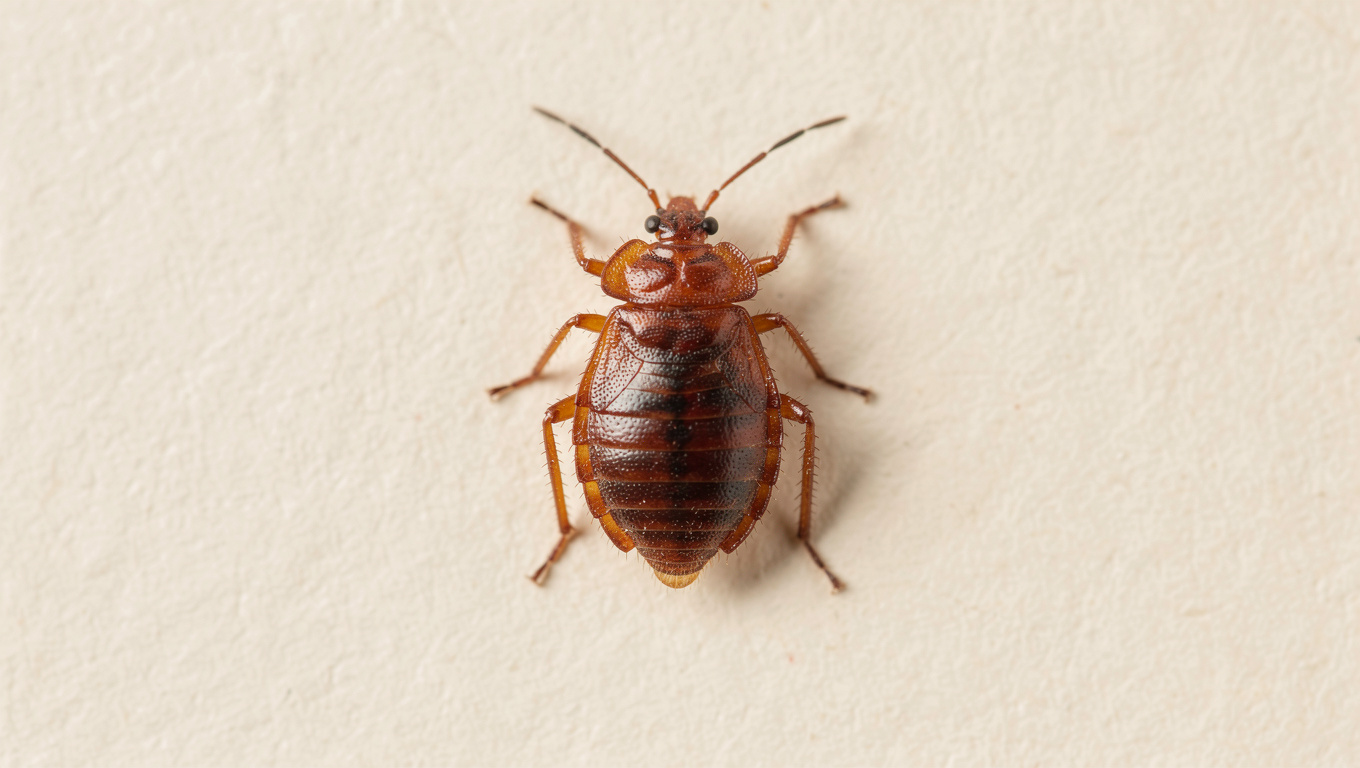
Warehouse operations manager discovered live bed bugs (Cimex lectularius) during inventory inspection of a returned-goods pallet. The shipment originated from an eastern Canadian retailer. The warehouse had never previously had bed bug evidence. Decision was made within two hours to quarantine the affected zone and engage professional treatment. The insurance coverage for the warehouse required documented thermal eradication rather than chemical — the warehouse stored electronics and sensitive materials incompatible with chemical residues.
The assessment
On-site within 90 minutes. Inspection confirmed bed bug presence in the returned-goods pallet and two adjacent pallets. Sticky monitor deployment around the quarantine zone captured 6 additional bed bugs within 24 hours, indicating initial dispersal had begun. Recommendation: full-warehouse thermal treatment rather than zone-specific, because any missed individuals would re-establish within weeks. Thermal treatment has the added benefit of requiring zero chemical exposure to stored inventory.
The intervention
72-hour thermal treatment protocol. Day 1: equipment stage-in (12 thermal blowers, 8 fans for air circulation, temperature monitors across 14 grid points, sensitive-item protection for electronics zones). Day 2: heating phase — warehouse brought to sustained 55°C for 8 hours, with continuous temperature mapping to verify every corner reached kill threshold. Day 3: cool-down, monitor sweep (zero live captures), inventory audit. Full documentation delivered to insurance.
The outcome
Zero bed bug detections at day 30, day 60, day 90, and day 180 re-inspections. Warehouse returned to full operational capacity the morning of day 4. Insurance approved the claim in full based on thermal treatment documentation. Warehouse implemented new receiving inspection protocol for returned-goods pallets, which has intercepted one subsequent introduction before it reached storage.
Why thermal was the right call for this site
Three reasons. First, inventory: warehouse stored electronics, apparel, and paper goods that cannot be chemically treated. Second, completeness: thermal kills every life stage in one session, including eggs, which chemical protocols require multiple follow-up applications to address. Third, speed: 72-hour restart versus a 4-8 week chemical protocol with ongoing operational disruption. The upfront thermal cost was more than recovered in operational uptime.
Customer outcome“We had bed bugs in Friday's returned pallet. By Tuesday morning we were back to full operations with documentation my insurer accepted without follow-up questions. No chemical residue on any product. That's the only outcome that would have worked for our business.”
Book your own assessment
Every job gets the same documentation standard — photos, findings, protocol, outcomes. 60-day pest guarantee plus 3-year exclusion warranty on every treatment.