
The situation
Restaurant owner called us at 11pm on a Tuesday. Vancouver Coastal Health inspector had visited that afternoon and cited active cockroach evidence in two zones: behind the walk-in cooler and in the kitchen entry vestibule. Reinspection scheduled for 28 days. Two failed reinspections would close the restaurant. The owner's previous provider had been doing quarterly perimeter treatments with no interior focus.
The assessment
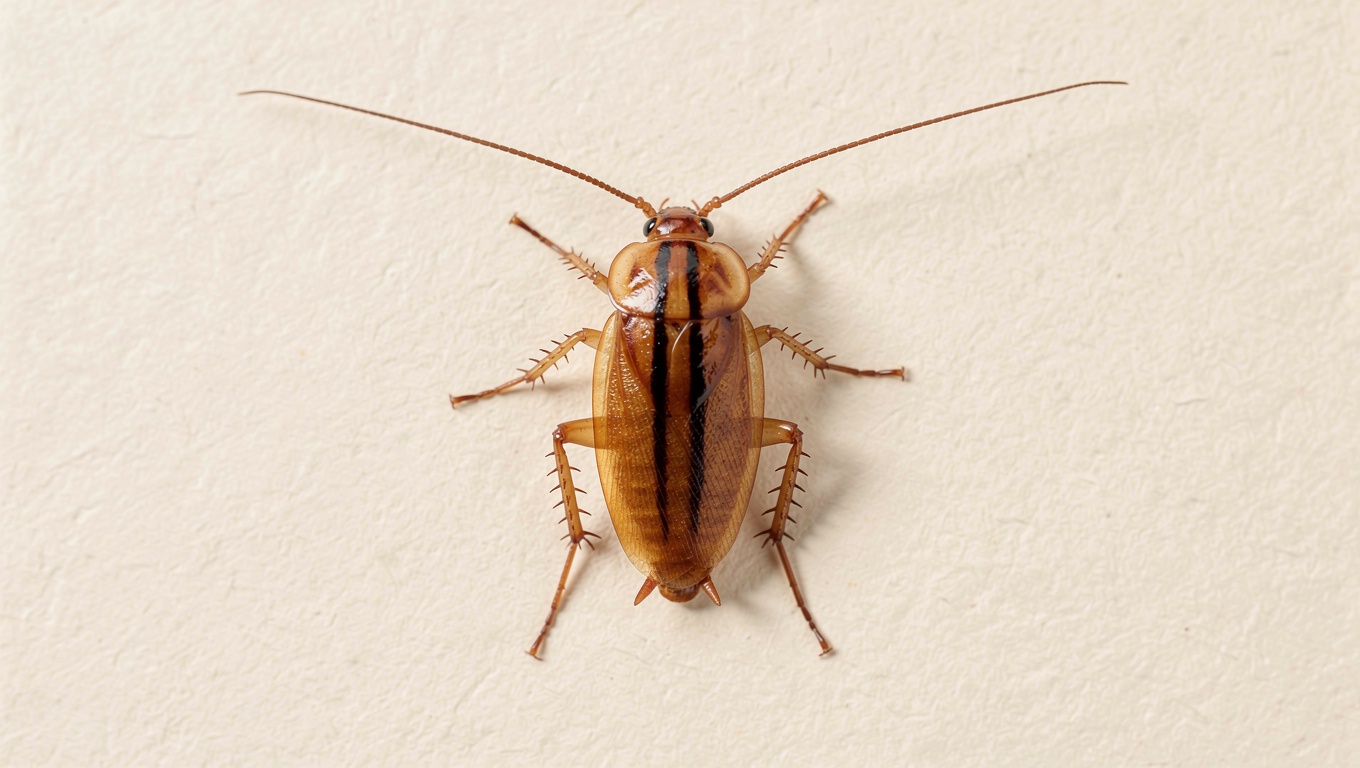
Our food-service technician arrived at 6am the next morning, before the restaurant opened. Findings: dense German cockroach (Blattella germanica) population behind the walk-in cooler condenser where warm moist air kept the harborage at ideal breeding temperature. Egg cases (oothecae) observed in cabinet crevices adjacent to the dish pit. Kitchen vestibule evidence suggested travel from the alley dumpster corridor. Sticky monitor placement overnight in four zones returned 83 adults, 41 nymphs, and 7 oothecae by day 2 — a population estimate of several hundred including breeding stages.
The intervention
Structured IPM protocol over 28 days. Initial treatment (day 1): targeted bait gel placements in 42 identified harborages, insect growth regulator application to warm-breeding zones, crack-and-crevice dust in wall voids adjacent to the walk-in, and monitor deployment. Kitchen staff given written protocol for daily close-down cleanup including walk-in condenser area. Day 4: reassessment, bait replenishment in still-active zones, confirmation of adult die-off in bait-heavy areas. Day 11: population down approximately 70% by monitor counts. Day 18: population down approximately 95%, no adult sightings in daily kitchen operations. Day 25: zero live evidence on monitors over preceding 72 hours. Day 28: VCH reinspection. Documentation provided to the restaurant included: treatment plan, application records, monitor counts over time, staff training sheet, and a forward IPM maintenance schedule.
The outcome
Restaurant passed VCH reinspection at day 28 with zero pest evidence cited. Inspector specifically noted the documentation quality and the identified harborage remediation. Restaurant subsequently moved to monthly IPM service aligned with HACCP/SQF-compatible documentation. No further VCH issues in the 9 months since reinspection.
Why quarterly perimeter treatments fail for restaurants
German cockroach populations reproduce indoors year-round regardless of external temperature. Perimeter treatment — spraying the outside of a restaurant building — does nothing to populations breeding inside the walk-in condenser or the kitchen dish pit. Restaurants require interior-focused, harborage-targeted IPM with monitor-driven feedback loops. Our food-service protocols include HACCP/SQF documentation that also serves customers during inspection. Restaurants that commit to structured IPM rarely fail inspections.
Customer outcome“They took the call at 11pm. They were in the kitchen at 6am. We passed reinspection on the first try. Our previous pest company had been billing us for three years and never actually checked the walk-in.”
Book your own assessment
Every job gets the same documentation standard — photos, findings, protocol, outcomes. 60-day pest guarantee plus 3-year exclusion warranty on every treatment.